Massive participation in nomination process contrasts with demand for postponement by Leh Apex Body and Kargil Democratic Alliance; protest continues at NDS Memorial Park amid political standoff
LEH: Even as the Leh Apex Body (LAB) and Kargil Democratic Alliance (KDA) continue to oppose the timing of the December 4 Ladakh Autonomous Hill Development Council (LAHDC) elections and press for their postponement, the electoral process has witnessed a substantial response, with 541 candidates filing nomination papers for 100 constituencies across Ladakh’s eight districts.
The conclusion of the nomination process on Tuesday has brought into focus two parallel developments shaping Ladakh’s political landscape: the administration’s preparations to conduct the elections as scheduled and the continuing agitation by the LAB and KDA over the timing of the polls and unresolved political demands of the Union Territory.
The LAB and KDA have sought postponement of the December 4 elections until April-May next year, citing harsh winter conditions, snowfall, difficult connectivity and seasonal migration of residents, which they argue could affect voter participation. The two bodies have also appealed to the President, Prime Minister, Union Home Minister and Leader of Opposition in the Lok Sabha to intervene in the matter.
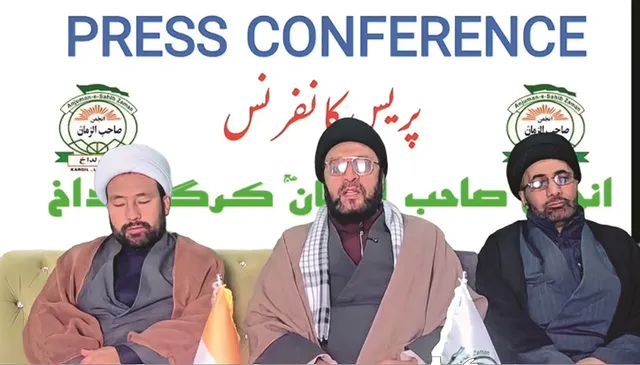
The demand for deferment has been accompanied by renewed protests in Leh. The LAB resumed its agitation at NDS Memorial Park on November 12, with the protest subsequently intensifying into a hunger strike involving religious leaders and other participants. The agitation is also linked to the broader demands for constitutional safeguards, statehood and a meaningful resolution of Ladakh’s political concerns.
The continuation of the protest, even as hundreds of candidates have entered the electoral arena, underlines the political divide over the conduct of the elections at the present juncture. While the nomination figures demonstrate that a large number of political aspirants have opted to participate in the electoral process, the LAB-KDA opposition and the ongoing agitation indicate that the disagreement over the timing and political context of the polls remains unresolved.
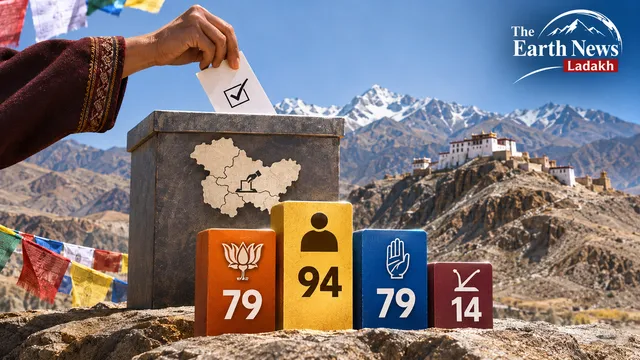
Among the 541 nominations received, independent candidates account for the largest share with 276 nominations. The Congress has fielded 126 candidates, closely followed by the BJP with 125, while the Jammu and Kashmir National Conference has put up 14 candidates.
The number of actual contestants is, however, expected to come down after the scrutiny and withdrawal process, as some of the candidates are covering candidates who have filed nominations as alternatives to their respective party’s principal nominees and are likely to withdraw before the deadline.
District-wise, Kargil has recorded 104 nominations for 21 constituencies, followed by Sankoo with 98 nominations for 13 constituencies. Zanskar has received 56 nominations for nine constituencies, while Drass has recorded 53 nominations for seven constituencies.
Sham has registered 50 nominations for nine constituencies, while Changthang and Nubra have received 38 nominations each for 16 and nine constituencies respectively. Leh has recorded 29 nominations for its 22 constituencies.
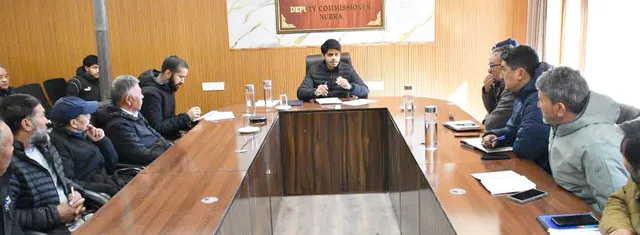
The nomination figures also come against the backdrop of growing differences between the administration and the two representative bodies over the electoral schedule. While the administration has proceeded with the notified election programme, the LAB and KDA maintain that conducting the polls during the harsh winter months could create difficulties for voters, particularly those who migrate outside Ladakh during this period.
Meanwhile, the Centre’s reported indication of resuming High Powered Committee-level discussions with Ladakh representatives between December 5 and 10, immediately after the scheduled polling, has added another dimension to the ongoing political developments. However, the LAB has maintained that the demand for postponement remains unresolved and that its agitation will continue.
With nominations now filed, scrutiny is scheduled for November 18 and the last date for withdrawal of candidature is November 20. The final electoral picture will emerge thereafter, with polling scheduled for December 4. The coming days are therefore likely to remain politically significant for Ladakh, as preparations for the eight council elections proceed alongside the continuing agitation over the region’s political future.