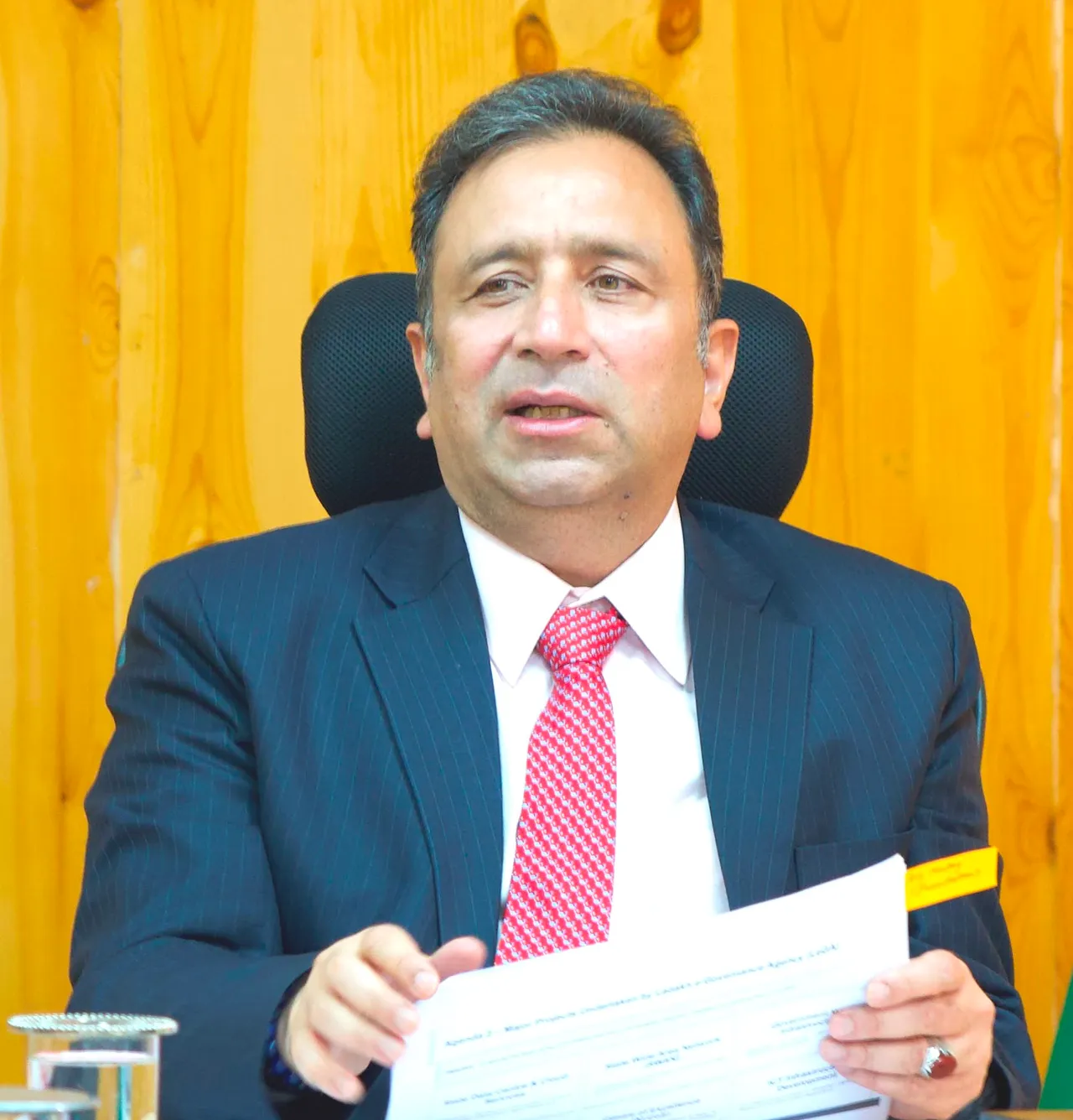
LEH: The UT Ladakh administration has pushed for faster and more community-focused implementation of conservation works under CAMPA, with Chief Secretary Ashish Kundra directing departments to begin tendering without delay and ensure that approved benefits reach intended beneficiaries within defined timelines.
Kundra chaired the 6th Steering Committee meeting of the UT Ladakh Compensatory Afforestation Fund Management and Planning Authority (CAMPA) on Friday to review implementation of the Annual Plan of Operations (APO) 2026-27, laying particular emphasis on works that need to be completed before the onset of winter.
The meeting, which brought together senior officials from the Forest, Wildlife, Tourism, Finance, Planning and Health departments, reviewed a broad portfolio of interventions ranging from human-wildlife conflict mitigation and crop protection to waste management, eco-tourism, community livelihoods, environmental education and wildlife conservation.
At the outset, Wildlife Warden Mandeep Mittal, IFS, presented the agenda, including ratification of the previous meeting’s minutes, proposals approved during the intervening period and the CAMPA APO 2026-27. Division-wise allocation of funds and activities under the Leh Wildlife Division and Leh Forest Division were also reviewed.
A key direction from the Chief Secretary was to remove delays at the tendering and preparatory stages, particularly for works that cannot be executed after winter sets in.
Kundra called for clear work plans, transparent beneficiary-selection criteria and proper documentation before implementation. In the case of proposed crop-protection chain-link fencing, he specifically directed officials to prepare village-wise beneficiary lists, clearly record the basis for selection and submit detailed budget requirements.
The CAMPA plan includes measures to address human-wildlife conflict in Leh and Kargil, protect agricultural crops, manage free-ranging dogs and improve sanitation and waste management. One significant proposal involves providing waste-management facilities in schools across 20 villages, alongside awareness and environmental education initiatives.
Kundra stressed that CAMPA expenditure should be directed towards practical, high-impact interventions rather than expensive items with limited community value.
He called for greater emphasis on livelihood opportunities for local communities and entrepreneurs, including promotion of local wool and yak-wool products, basic facilities, water filters, heating solutions and other interventions suited to Ladakh’s harsh environment.
The administration also sought to link conservation spending more closely with local economic opportunities through community-based eco-tourism and capacity building.
With tourism increasingly intersecting with protected areas and ecologically sensitive landscapes, the Chief Secretary underlined that basic amenities such as clean, functional toilets are critical to the visitor experience.
He directed that registered homestays covered under the programme be provided appropriate training and support kits within a defined timeframe, while asking officials to complete tendering and commence approved works immediately.
The meeting also examined proposals for eco-tourism initiatives, nature education and awareness centres, visitor benches in protected areas, opening and digital mapping of foot-patrolling routes, and training of local youth in organic agriculture, horticulture and adventure sports.
Importantly, Kundra suggested that existing government buildings should be repurposed for nature education and awareness centres wherever possible, instead of constructing new infrastructure. The approach, he said, would help save both time and resources.
Seeking to make capacity-building programmes more outcome-oriented, the Chief Secretary called for exposure visits for local farmers, entrepreneurs and community members to successful initiatives outside Ladakh.
He also suggested establishing linkages with relevant adventure-sports associations and exploring partnerships with specialised organisations for wildlife conservation, including brown bear conservation in Kargil.
The administration also plans to strengthen public awareness around Ladakh’s wildlife. Kundra suggested appropriate signage highlighting key species, including the Himalayan brown bear, to encourage responsible behaviour among both residents and visitors.
Plantation and nursery activities also came under review, with Kundra stressing that afforestation in Ladakh should be community-driven and aligned with the region’s broader environmental conservation goals.
Officials were directed to prepare plantation plans based on current requirements and obtain necessary approvals before proceeding.
The proposed international conference on mountain mammals was also discussed. Kundra called for the event to go beyond a conventional conference format and include strong practical and field-oriented components, allowing experts and participants to directly understand Ladakh’s wildlife and conservation challenges.
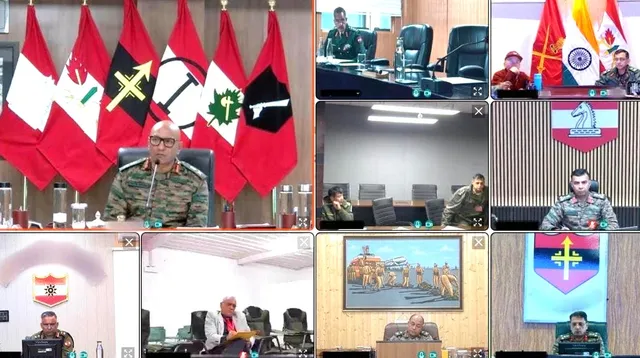
He further directed officials to prepare a clear implementation roadmap for activities approved under CAMPA and ensure that preparatory work is completed at the earliest. The meeting was attended by Commissioner/Secretary, Health, Lalinthakhuma Franklin; Secretary, Planning, Himanshu Gupta; Secretary, Tourism, Sanjeet Rodrigues; Secretary, Finance, Tsewang Tharchin; Mandeep Mittal, IFS; members of the CAMPA Steering Committee and other concerned officers. Additional DCCF Rajesh S. and the Wildlife Officer from Kargil participated virtually.