Enumerators and Supervisors to complete training by Jan 10 ahead of Jan 25 rollout
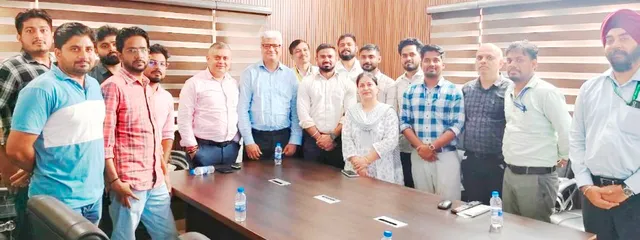
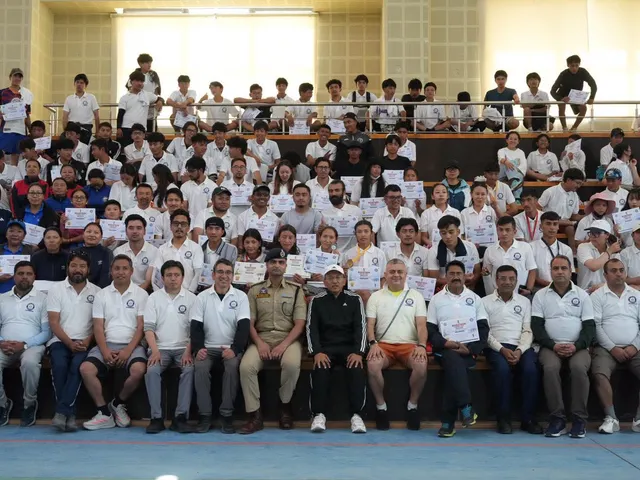
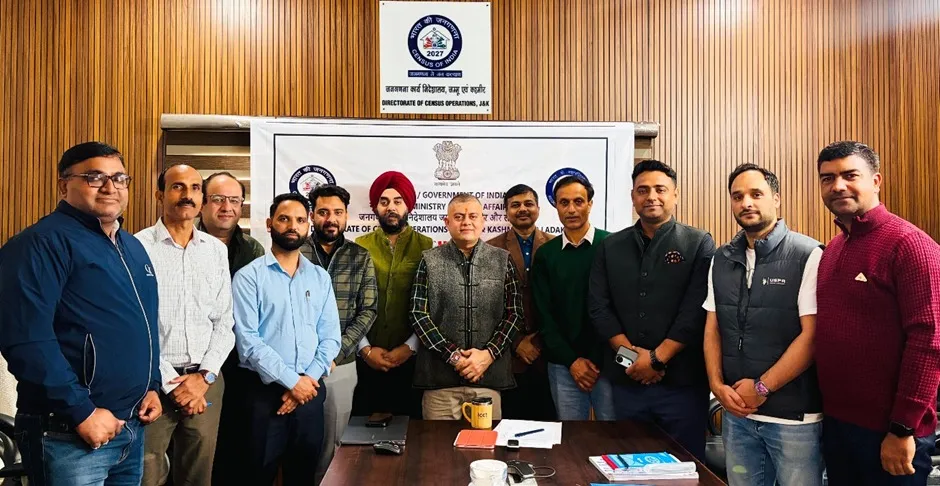
JAMMU: With the Population Enumeration phase of Census 2027 scheduled to begin on January 25, the Directorate of Census Operations, Jammu and Kashmir, has intensified preparations, concluding a four-day capacity-building programme for Master Trainers to ensure that field-level personnel are adequately trained ahead of the massive data collection exercise.
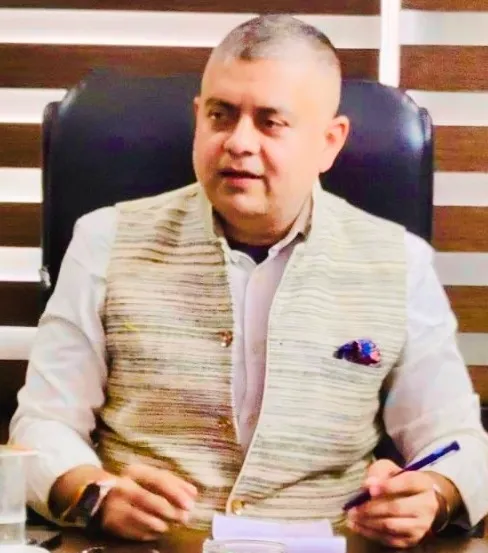
The training programme, held in Jammu from November 17 to 20 under the leadership of Chief Principal Census Officer (CPCO) and Director Census Operations, J&K and Ladakh, Amit Sharma, IAS, was aimed at preparing Master Trainers to further train Field Trainers, Enumerators and Supervisors in the methodology and operational requirements of the second phase of Census 2027.
Outlining the training schedule, Sharma said the Master Trainers would conduct district-level training for Field Trainers from November 25 to December 10. The Field Trainers would subsequently train Enumerators and Supervisors by January 10, 2027, ahead of the Population Enumeration exercise scheduled from January 25 to February 28, 2027.
The four-day programme was conducted by National Trainers Arun Kumar, Joint Chief Principal Census Officer, and Manmeet Singh Loomba, Deputy Chief Principal Census Officer, who familiarised participants with the methodology, operational framework and field-level requirements of Population Enumeration.
The participating Master Trainers represented Jammu Municipal Corporation, Srinagar Municipal Corporation and the districts of Jammu, Srinagar, Rajouri and Samba, identified as the fully non-snowbound districts of the Union Territory. Training for Master Trainers from snowbound districts has already been completed.
A major component of the programme focused on the Population Enumeration Mobile App, including its installation, functionalities and practical exercises in recording responses. Participants were also trained on the 40 questions in the Population Enumeration schedule, covering demographic particulars, marital status, religion, nationality, caste, parents’ details, disability, language, literacy, education, economic activity, migration and fertility, among other aspects.
The training also covered Census concepts and definitions, relevant legal provisions, questionnaire structure and procedures for enumerating the normal, institutional and houseless populations.
Particular emphasis was laid on the practical aspects of field operations, including Self-Enumeration, preparation and updation of the Abridged Houselist, formation of Enumeration Blocks and preparation of Enumeration Block Layout Maps.
Other areas covered included the Revisional Round, houseless population enumeration, standard operating procedures for enumerating persons in ships and boats, and safeguards relating to data privacy and security.
The programme followed an interactive training model, combining classroom sessions with demonstrations, practical exercises, quizzes and micro-teaching. Participants were also familiarised with the PRAMAN framework for approaching households and role-play techniques to be used during subsequent training of Enumerators and Supervisors.
A structured set of presentations and video modules supported the sessions, covering Census concepts, the mobile application, individual question groups, migration, fertility, Self-Enumeration, houseless enumeration, supervisors’ responsibilities and data protection.
Emphasising the importance of accurate data collection, CPCO Amit Sharma urged the Master Trainers to ensure that the Census methodology and operational guidelines were fully understood and effectively communicated to Enumerators and Supervisors during subsequent training.
He stressed that the quality and accuracy of the final population data would depend significantly on how effectively the training reached the field-level workforce and how diligently the prescribed procedures were followed during enumeration.
The programme concluded with a feedback and valedictory session, marking another preparatory milestone ahead of the Population Enumeration phase of Census 2027.