Report seeks integrated approach to safeguarding high-altitude rangelands and wildlife while strengthening pastoral livelihoods, traditional knowledge, cultural heritage and community resilience
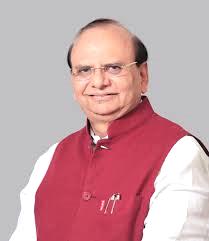
LEH: Chief Secretary, UT Ladakh, Ashish Kundra, on Thursday joined the launch of the Changthang Visioning Report, “Vision from the Highlands: Building a Shared Future for Rangelands, Wildlife and Communities,” at The Grand Dragon, Leh, bringing together government institutions, conservation organisations, pastoral communities and other stakeholders to shape a common roadmap for the high-altitude landscape.
The report seeks to establish a shared approach to conservation and sustainable livelihoods in Changthang by recognising the close interdependence of its fragile rangelands, wildlife, pastoral economy, cultural traditions and community well-being.
The launch witnessed participation from representatives of the UT Administration, LAHDC Leh, Wildlife, Animal Husbandry and Sheep Husbandry departments, Changthang district administration, academic and conservation institutions, pastoral communities, youth and women’s groups, religious leaders and community organisations.
His Eminence Palga Rinpoche and former Chief Executive Councillor, LAHDC Leh, Tashi Gyalson, also attended the programme. Former Executive Councillor and Chushul Councillor Konchok Stanzin was among the other prominent participants.
Representing WWF-India, its Secretary General and CEO Ravi Singh, Trustee Jamshyd N. Godrej and Programme Director Dr Sejal Worah attended the launch along with members of the organisation’s Western Himalayas team.
The visioning exercise was based on consultations with a wide range of stakeholders, including pastoral representatives, Gobas, women’s groups, youth organisations, community leaders and local institutions. Their experiences, traditional knowledge, concerns and aspirations were incorporated into the process, underscoring the importance of community participation in determining the future of the Changthang landscape.
Representatives of the University of Ladakh, GB Pant National Institute of Himalayan Environment, Snow Leopard Conservancy–India Trust, Himotthan, NABARD and other partner organisations also participated. Religious leaders associated with monasteries across Changthang were present at the event.
The report provides a framework for strengthening partnerships and translating the shared vision into practical, long-term action. It places healthy rangelands, thriving wildlife and resilient pastoral communities at the centre of landscape stewardship and sustainable development.
The launch also marked an important milestone in WWF-India’s continued engagement through its Western Himalayas Conservation Programme in Changthang, providing a platform for government agencies, communities, conservation organisations and knowledge institutions to work together on long-term priorities.
The initiative assumes particular significance with 2026 being observed as the International Year of Rangelands and Pastoralists, drawing attention to the ecological, cultural and economic importance of rangelands and the communities whose livelihoods have been sustained by these landscapes for generations.
The Changthang visioning process ultimately seeks to balance conservation with livelihoods, ensuring that efforts to protect the region’s unique ecosystems and wildlife are pursued alongside the aspirations, knowledge and resilience of its pastoral communities.