Mamata, Kejriwal, Vijaya, CJP leaders among 7,000 protesters detained by Delhi Police
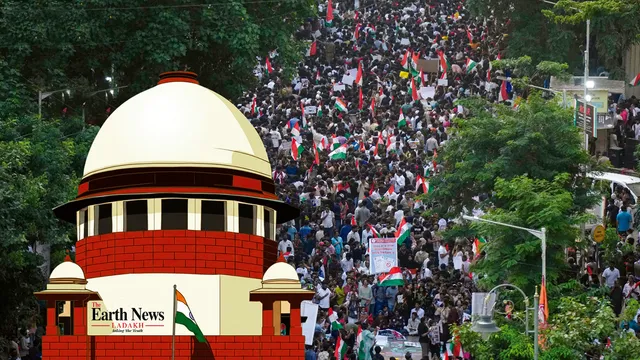
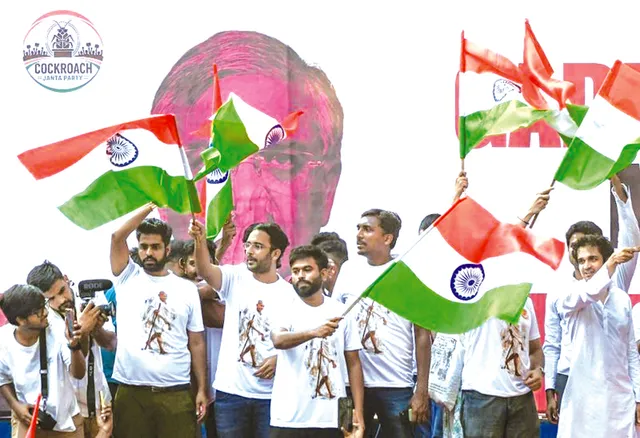
NEW DELHI: A planned protest by the Cockroach Janta Party (CJP) at Jantar Mantar demanding the resignation of Chief Election Commissioner Gyanesh Kumar over alleged irregularities in the Special Intensive Revision (SIR) of electoral rolls was largely disrupted on Saturday, with Delhi Police detaining thousands of protesters and several prominent political leaders in a sweeping security operation across the national capital.
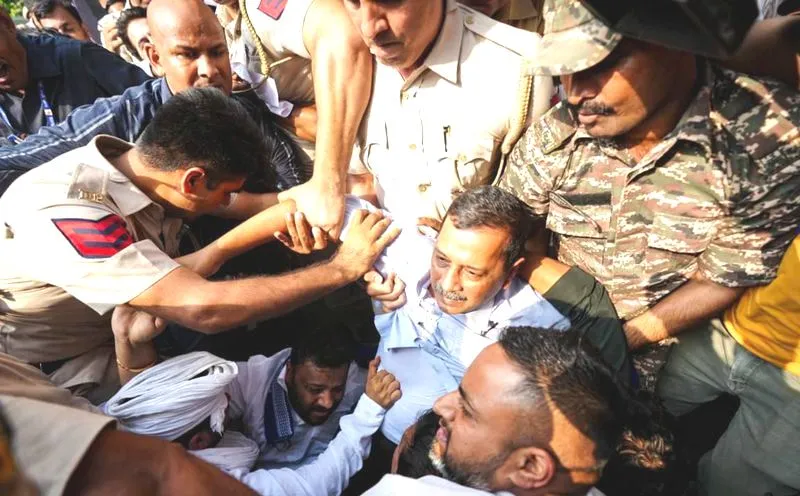
The police action began before the scheduled demonstration, with organisers and supporters intercepted at multiple locations, including Delhi’s entry points and routes leading to central Delhi. Senior CJP functionaries were among those detained, while opposition leaders, activists and student groups who attempted to join or express solidarity with the protest were also taken into custody at different locations.
According to reports, more than 7,000 people had been detained by the Police at different locations, while around 35,000 police and paramilitary personnel were reportedly deployed across the capital. The scale of the operation and restrictions on access to the protest venue substantially curtailed the organisers’ attempt to mobilise a large gathering at Jantar Mantar.
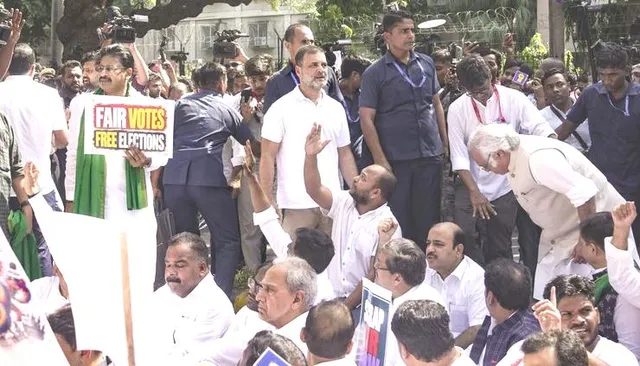
Among those reported detained at different locations were AAP convenor Arvind Kejriwal, former West Bengal Chief Minister Mamata Banerjee, former Kerala Chief Minister Pinarayi Vijayan, Rajya Sabha MP John Brittas, former Delhi Deputy Chief Minister Manish Sisodia, activist Yogendra Yadav and lawyer Prashant Bhushan. YouTuber Dhruv Rathee was also reported detained from his residence in Gurugram. The detentions took place at different locations and stages of the day, rather than in a single operation at Jantar Mantar.
The immediate outcome was a day of heightened political confrontation, with the CJP insisting on accountability from the Election Commission, opposition leaders questioning the restrictions on peaceful assembly, and the authorities maintaining that preventive measures were necessary to avert a law-and-order situation.
The protest centred on allegations surrounding the SIR exercise, which has emerged as a contentious political issue amid opposition concerns over electoral-roll deletions and voter disenfranchisement. The CJP demanded Kumar’s resignation, alleging that the revision process raised serious questions about electoral transparency. The allegations, however, remain contested, and claims of deliberate manipulation have not been established as fact.
Delhi Police had denied permission for the proposed demonstration, citing public safety, law-and-order concerns, the short notice given by organisers and apprehensions arising from the earlier agitation. Reports said the permission request was submitted on October 7, three days before the planned event, against a stated 10-day notice requirement. Authorities subsequently intensified security arrangements, erected barricades and established checkpoints across central Delhi.
Opposition leaders criticised the police action, arguing that preventing demonstrators from reaching the designated venue undermined the right to peaceful protest and the ability to demand accountability from constitutional institutions. The BJP and supporters of the police action, meanwhile, defended the restrictions on public-order grounds, maintaining that authorities had a responsibility to prevent potential disorder.
The CJP said its agitation would continue despite the detention of its principal organisers. Ajinkya Shinde, the party’s national organisation in-charge, was announced as the leader of the mobilisation following the detention of senior functionaries. The party appealed to participants to remain peaceful, avoid vandalism and comply with lawful instructions.
The developments also revived debate over the proportionality of restrictions imposed on demonstrations. While authorities can regulate public gatherings to address legitimate security concerns, the scale of preventive detentions and restrictions on movement raised questions about how such measures should be balanced against the constitutional right to peaceful assembly.
By the afternoon, the planned gathering had been substantially disrupted, while the central demand for the CEC’s resignation remained unresolved. The day’s events thus left two interconnected issues in focus: the continuing political dispute over electoral-roll revision and the broader question of how democratic dissent can be accommodated without compromising public order.
With neither the allegations surrounding the SIR exercise nor the dispute over the protest restrictions settled, the confrontation is likely to sustain political and legal scrutiny in the days ahead.