Kargil reviews Nasha Mukt Bharat Abhiyan
KARGIL: Stressing that awareness campaigns alone cannot curb substance abuse, Director, Social and Tribal Welfare Department, UT Ladakh, Dr. Zahida Bano (JKAS) on Saturday called for coordinated action by government departments, educational institutions, religious organisations, civil society and law enforcement agencies to build a healthier and drug-free Ladakh.
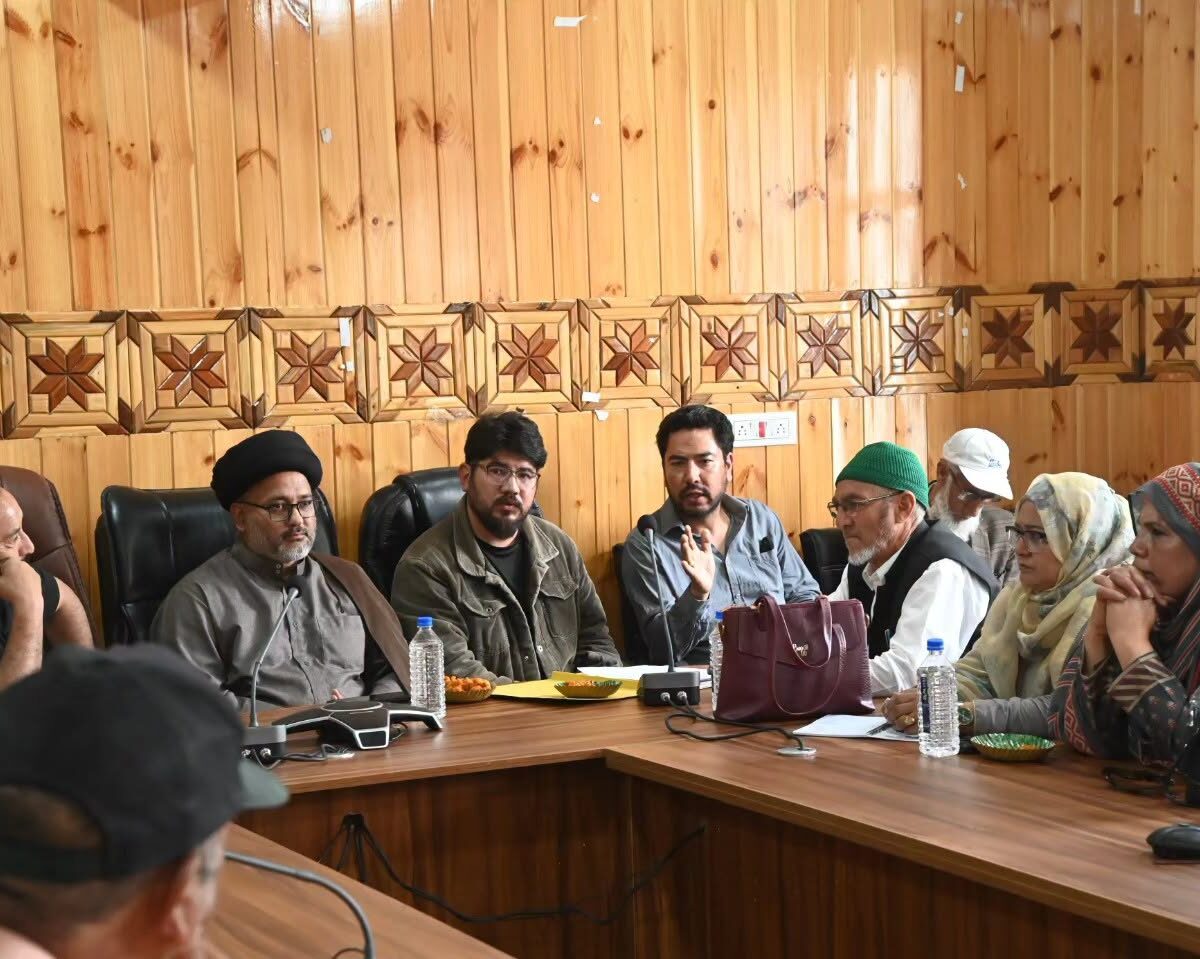
Chairing a consultative meeting on the Nasha Mukt Bharat Abhiyan (NMBA) through virtual mode at the Conference Hall of the Cooperative Department in Kargil, Dr. Bano said addressing the root causes of drug abuse requires sustained community participation, youth empowerment and inter-departmental coordination.
The meeting reviewed the implementation of the anti-drug campaign in Kargil, where awareness programmes, preventive interventions, counselling services and community outreach activities are being carried out under the national initiative. She directed all participating departments and stakeholders to maintain detailed documentation of awareness programmes, action taken reports, outreach activities and counselling sessions for regular monitoring and evaluation.
Highlighting preventive measures, Dr. Bano said education, skill development, employment opportunities and government welfare schemes, including Rural Self Employment Training Institute (RSETI) programmes, scholarships and entrepreneurship initiatives, could play an important role in steering young people away from substance abuse.
Representatives from the Health Department proposed expanding awareness and de-addiction programmes in schools and communities while strengthening mental health counselling services. Participants observed that many affected individuals hesitate to disclose substance abuse during village and household visits, underscoring the need for trust-based and confidential counselling. The meeting also discussed the use of drug detection kits to identify commonly abused substances.
Representatives of religious organisations emphasised that awareness campaigns should be designed with an understanding of local culture, traditions and behavioural patterns. Suggestions also included producing locally relevant short films carrying anti-drug messages.
Participants further recommended organising storytelling sessions in schools, drawing and painting competitions, exhibitions, seminars, awareness rallies and community outreach programmes to engage students and the wider public. The meeting also proposed involving rehabilitated former addicts in awareness campaigns to share their experiences, while seeking inputs from the Police Department on local trends in drug abuse and supply networks to strengthen preventive strategies.
Appreciating the suggestions received, Dr. Bano directed all departments, educational institutions, religious organisations, civil society groups and implementing agencies to continue the campaign in a coordinated manner. She called upon all stakeholders to transform the Nasha Mukt Bharat Abhiyan into a people’s movement aimed at building a healthier, safer and drug-free Ladakh.