CS Kundra says new Article 371 framework being worked out; draft likely to be discussed in October meeting as Administration seeks wider consensus
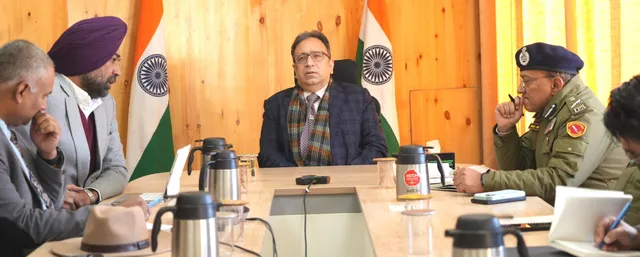
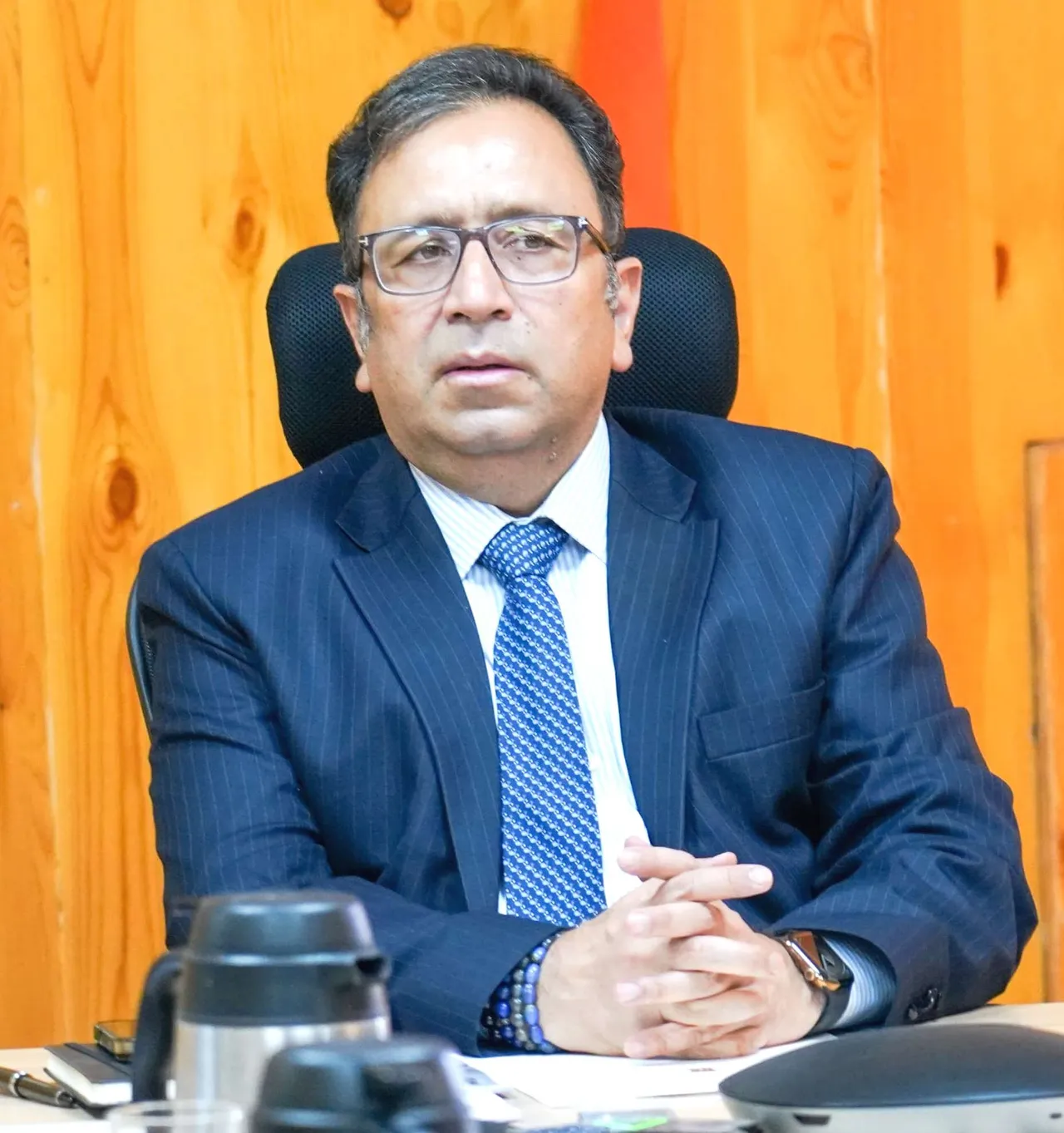
LEH: Chief Secretary, UT Ladakh, Ashish Kundra, convened a high-level consultative meeting with representatives of civil society on Sunday to deliberate on a range of administrative, developmental, social and political issues concerning the Union Territory, with constitutional safeguards, land rights, employment, protection of culture and environment emerging as key areas of discussion.
The meeting brought together prominent representatives from diverse sections of Ladakh’s society, including H.E. Palga Rinpoche, former MLA Deldan Namgyal, Rigzin Dorjay of the Ladakh Buddhist Association, Mohd Shafi of Anjuman Moin-ul-Islam, Rev. Dechen Chamga of the Christian Association, Padma Shri Morup Namgyal, Padma Shri Chewang Norphel, Honorary Captain Tashi Tsepel, Vir Chakra, former Ambassador Tsewang Namgyal and Kunzes Dolma of the Women’s Forum. Administrative Secretaries and senior officials of the UT Administration also participated in the interaction.
Addressing the gathering, Chief Secretary Kundra said there was broad agreement among stakeholders on the need for constitutional protection for Ladakh. He said such protection should encompass land, employment, culture, environment and natural resources.
According to the Chief Secretary, the Administration is working on a new framework under Article 371 aimed at providing constitutional safeguards tailored to Ladakh’s specific requirements. He said the proposed model was being developed in consideration of the aspirations of the people of Ladakh and would be distinct from existing arrangements elsewhere in the country.
Kundra said the draft framework would be placed before stakeholders for discussion at the next proposed meeting in the first week of October.
He also said direct elections to the proposed UT-level body had emerged as one of the key suggestions during the consultations. Further steps, including consideration of the proposed constitutional amendment by Parliament, would be taken after consensus is reached on the framework.
The Chief Secretary explained that separate legislation would subsequently be required to spell out the powers, functions and institutional arrangements of the proposed body. The meeting also covered a series of administrative and developmental initiatives undertaken by the UT Administration. Kundra highlighted the strengthening of district-level administrative structures, posting of officers in districts, upgradation of hospitals to district hospitals and progress towards Panchayat elections.
On tourism, he informed the gathering that Ladakh had recorded more than four lakh tourist arrivals so far this year, compared with around 3.35 lakh visitors during the entire previous year.
Drug abuse was among the major social concerns discussed during the interaction. DGP Ladakh Anand Jain made a presentation on the drug situation in the Union Territory and sought the active participation of civil society organisations in creating awareness and preventing substance abuse.
Expressing concern over the increasing number of drug-related cases, the DGP stressed the need for collective intervention involving government departments, community organisations and the public.
Dr. Padma, Psychiatrist at SNM Hospital, also made a detailed presentation on drug abuse, covering various dimensions of the problem and underlining the importance of awareness, early intervention and community support.
Commissioner Secretary, Forest, Ecology and Environment, Dr. Franklin, briefed participants on wildlife sanctuaries and settlement rights, while Divisional Commissioner/Revenue Secretary Shurbir Singh presented details of the draft Conferment of Ownership and Land Rights.
Employment-related issues were taken up by Secretary, General Administration Department, Rudra Gaud, who presented the status of employment in the UT of Ladakh.
Secretary, Higher Education, School Education and Cooperative, Banu Prabha, made presentations on educational transformation and developments in the cooperative and dairy sectors.
The civil society representatives actively participated in the discussions and placed their views, suggestions and feedback before the Administration on drug abuse, land rights and other issues of public importance.
Several participants appreciated the initiative and thanked the UT Administration and the Chief Secretary for facilitating direct interaction with civil society. They also suggested that such consultations should be institutionalised and conducted regularly to ensure wider stakeholder participation in policy and developmental matters.
Taking note of the suggestions received, Chief Secretary Kundra said similar consultations would be organised in the future. He urged representatives of different sections of society to continue submitting their suggestions and feedback directly to the concerned departments and offices.
The consultation assumes significance as the UT Administration works towards evolving a framework on constitutional safeguards for Ladakh, with the proposed October meeting expected to provide an opportunity for further discussion on the draft framework and the institutional mechanisms being considered.