Calls for need-based projects, better healthcare, hostel facilities, rural connectivity and sustainable livelihood opportunities
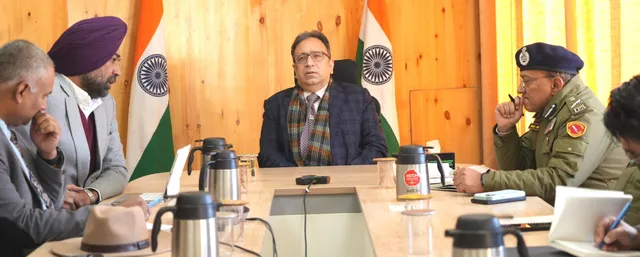
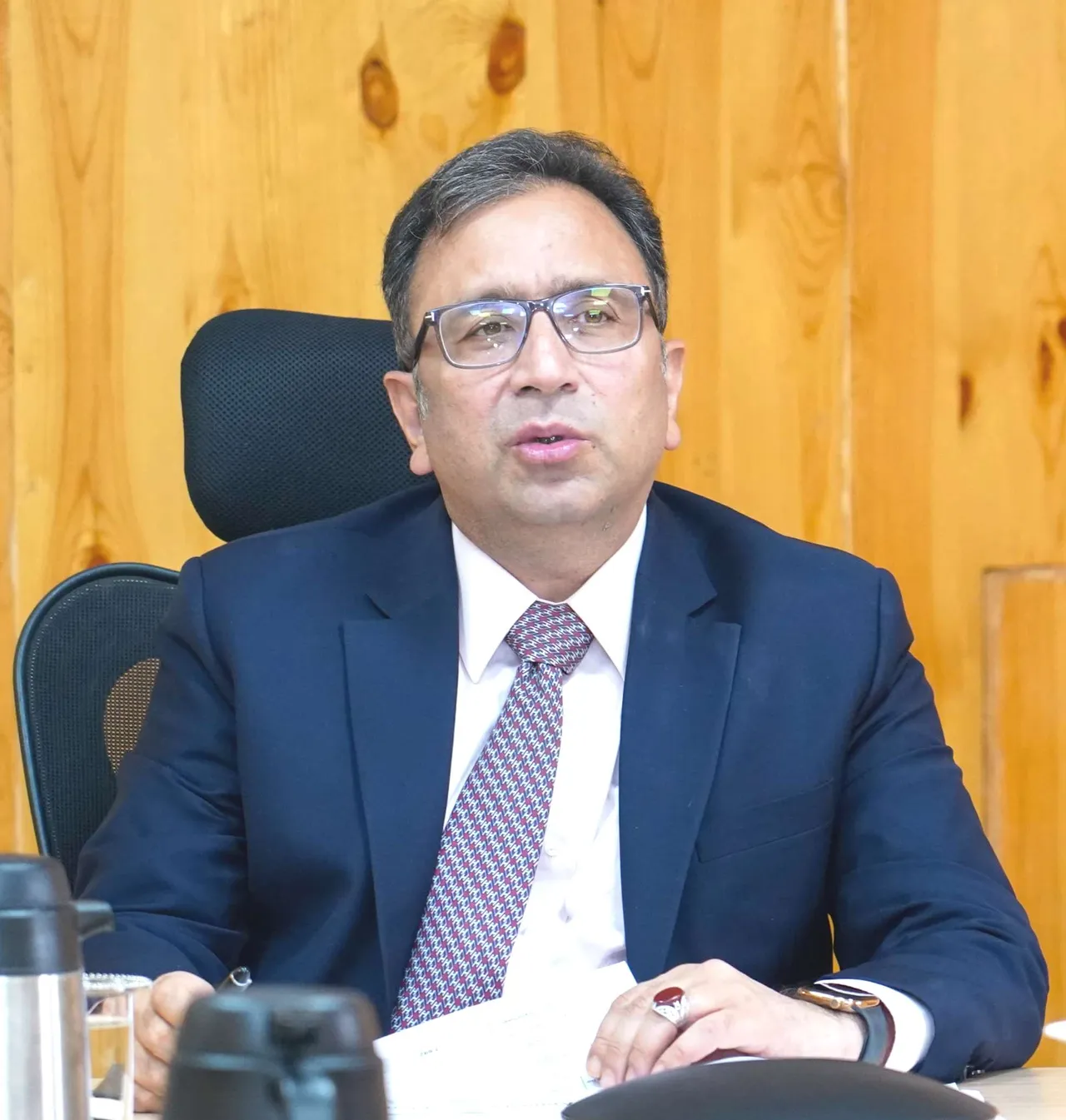
LEH: Chief Secretary, Union Territory of Ladakh, Ashish Kundra, has called for targeted and need-based development interventions in tribal areas of Ladakh, emphasising that projects proposed under the Dharti Aaba Janjatiya Gram Utkarsh Abhiyan (DAJGUA) must address critical infrastructure gaps and improve access to essential services for tribal communities.
Chairing a meeting on Thursday to examine projects proposed under the centrally sponsored Abhiyan of the Ministry of Tribal Affairs, Government of India, Kundra stressed that development proposals should be guided by ground realities, local requirements and clearly identified infrastructure deficiencies rather than being formulated merely to meet scheme allocations.
The meeting was attended by Commissioner/Secretary, Health, Lalinthakhuma Franklin; Secretary, Social and Tribal Welfare, Nidhi Malik; Secretary, School Education, Bhanu Prabha; Director, School Education, Tsering Paldan; CPO Leh, Tsewang Gyalson; and other concerned officers and departmental representatives.
The meeting reviewed the implementation framework of DAJGUA, including its project portfolio, geographical coverage, mission period, priority sectors and convergence requirements. A detailed presentation was also made on the implementation of the Pradhan Mantri Adi Adarsh Gram Yojana (PMAAGY) under the Abhiyan, covering works approved during 2025–26 and their progress.
Among the proposals placed before the meeting for the coming period were the construction of girls’ hostels and Tribal Multipurpose Community Halls (TMCHs), besides improvement of infrastructure at Bal Ashrams.
Examining the proposals, the Chief Secretary sought clarity on the criteria adopted for selecting project locations and identifying interventions. He directed the departments to provide proper justification for every proposed work and ensure that projects respond to the actual needs of tribal communities.
He also emphasised that infrastructure projects must be planned comprehensively, with essential facilities such as furniture, heating arrangements, toilets and other operational requirements incorporated into the proposals wherever necessary. Given Ladakh’s harsh climatic conditions, he stressed that buildings and public facilities should be designed to remain functional and suitable throughout the year.
Highlighting the need to strengthen essential public services in tribal areas, Kundra called for focused interventions in the healthcare sector, including the upgradation of Primary Health Centres (PHCs), Community Health Centres (CHCs) and district hospitals.
He also stressed the need to improve hostel infrastructure, sanitation, heating facilities and other basic amenities to ensure better living conditions for tribal students and communities. Connectivity in remote and far-flung tribal villages emerged as another important area of concern. The Chief Secretary underlined that inadequate connectivity continues to affect access to essential services and development opportunities in geographically isolated areas.
He accordingly directed the concerned departments to hold a separate meeting with the Planning Department to examine connectivity-related proposals, assess their feasibility and ensure that the interventions conform to DAJGUA guidelines. He called for prioritising such works on the basis of local requirements and proper planning.
Apart from physical infrastructure, the meeting also explored opportunities to strengthen the economic base of tribal communities through sustainable livelihood interventions. Sectors such as fisheries, responsible tourism and homestays were discussed as potential avenues for generating employment, promoting local entrepreneurship and improving household incomes.
Kundra asked the concerned departments to assess the potential of these sectors and formulate suitable, need-based proposals that could create sustainable livelihood opportunities while responding to the socio-economic conditions of tribal areas.
Concluding the meeting, the Chief Secretary directed all departments to thoroughly examine the prescribed DAJGUA guidelines and identify eligible sectors and projects within the scheme’s framework.
He reiterated that proposed interventions must be properly justified, coordinated and aligned with the objectives of the Abhiyan, with particular emphasis on bridging infrastructure gaps, strengthening basic services and creating sustainable economic opportunities across tribal areas of Ladakh.