LEH: The Sheep Husbandry Department, Union Territory of Ladakh, directed field functionaries to accelerate the implementation of ongoing development programmes, strengthen monitoring mechanisms and enhance inter-departmental coordination to improve livestock productivity and the socio-economic conditions of livestock rearers across the region.
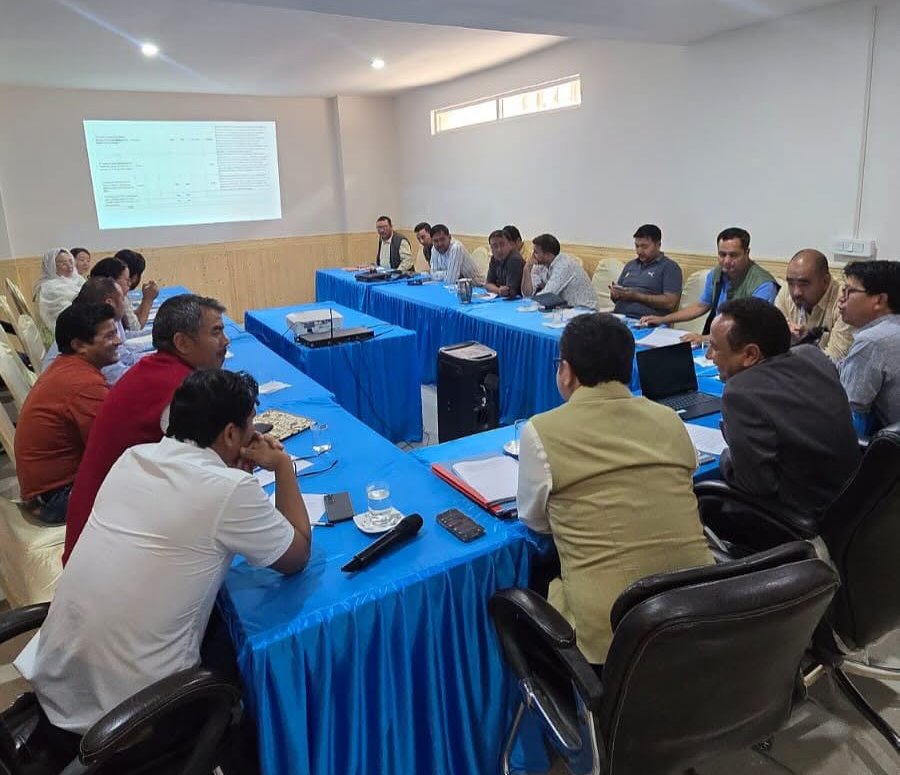
The directions were issued by Director Dr. Iftikhar Hussain while chairing the department’s quarterly review meeting at the Stock Assistant Training Institute, Leh, where the physical and financial progress of government farms, field establishments and flagship livestock development programmes was comprehensively reviewed.
The meeting was attended by District Sheep Husbandry Officer, Kargil, Dr. Nyaz-ul-Hassan; District Sheep Husbandry Officer, Leh, Dr. Tsewang Morup; Deputy Director, Upshi Pashmina Goat Project, Dr. Tundup Namgyal; besides farm in-charges and block-level officers from Leh and Kargil districts.
Officials assessed the implementation of works under the Special Development Package (SDP), District Capex and various Centrally Sponsored Schemes, while reviewing quarterly achievements across the department. The discussions also examined the pace of execution of departmental initiatives and utilisation of available resources.
A substantial part of the deliberations focused on strengthening fodder development by increasing fodder production at government farms and in field areas to support sustainable livestock management. The meeting also explored measures to improve the earnings of livestock rearers through scientific livestock management, value addition to livestock products and effective delivery of departmental schemes.
Emphasising the need for sustained field-level engagement, Dr. Hussain called upon officers to ensure timely execution of all development programmes, maintain regular monitoring of ongoing activities and strengthen coordination among field establishments to maximise the impact of departmental interventions.
He said improving livestock productivity, achieving greater fodder self-sufficiency and enhancing the livelihoods of livestock rearers should remain the department’s central priorities, underscoring the role of efficient programme implementation in advancing the livestock sector across the Union Territory.