NGT Member calls for better waste management, rural monitoring and green jobs
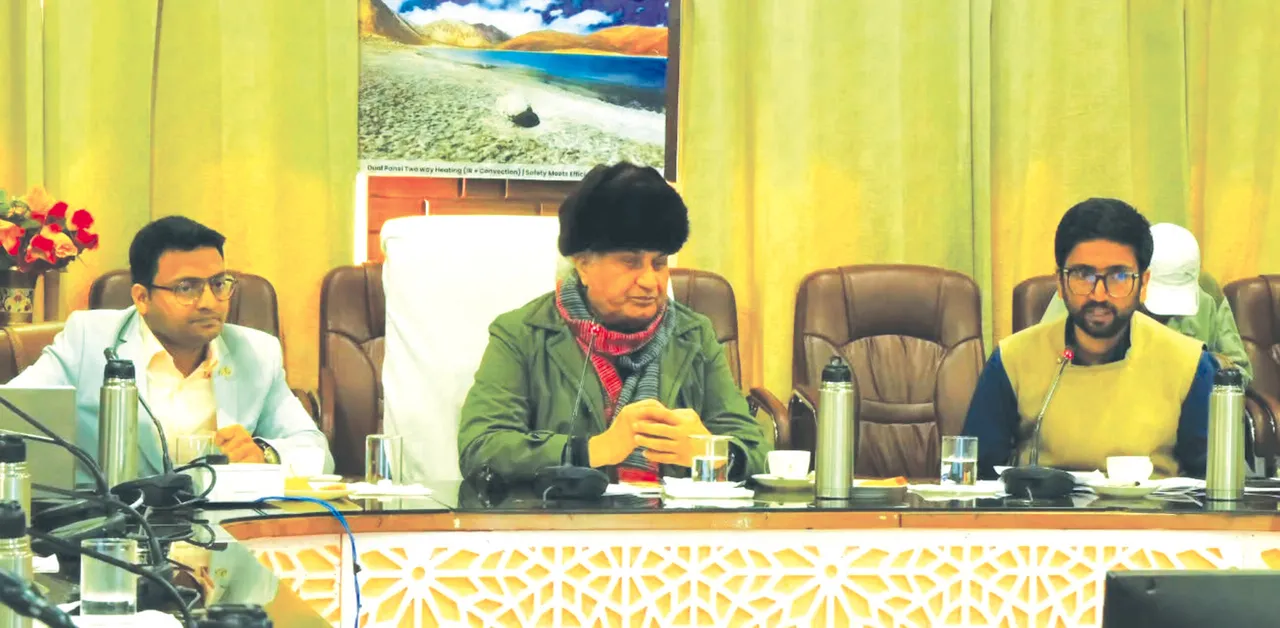
KARGIL: Dr Afroz Ahmad, Member of the National Green Tribunal (NGT), on Wednesday reviewed the implementation of environmental protection measures in Kargil and called for stronger monitoring of waste collection, wider use of digital tools and initiatives linking conservation with local employment.
The review meeting, held at the Conference Hall in Baroo, focused on compliance with NGT judgments and directions concerning the formulation and implementation of the District Environment Plan for Kargil.
Deputy Commissioner Rakesh Kumar, IAS, and other district officers attended the meeting, where officials reviewed solid and biomedical waste management, air and noise pollution, water quality and the conservation of natural resources.
During the meeting, the Deputy Commissioner outlined initiatives aimed at developing a green and sustainable Kargil town. The priorities included better waste segregation, collection and processing, sustainable tourism, cleaner public spaces, the elimination of single-use plastic and stronger water quality monitoring.
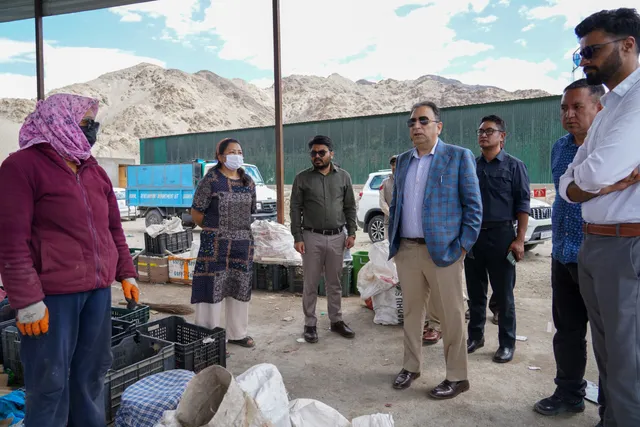
Dr Ahmad directed the administration to install GPS tracking systems in all 33 waste-collection vehicles to improve monitoring and accountability. Officials informed the meeting that the vehicles were collecting waste from different locations on a weekly basis under the collection system operating along MG Marga.
He also called for extending the Swachhata App-based monitoring mechanism to rural areas, stressing the need to strengthen waste-management oversight beyond urban centres.
The meeting also discussed ways to improve the economic value of waste. Dr Ahmad suggested exploring revenue-generating models based on waste processing and advised the district administration to study successful waste-management practices, including those adopted in Indore.
He also proposed establishing an interpretation centre within a compact area to promote environmental awareness and create local employment opportunities.
The administration informed the meeting that plastic items had been banned in the area and that penalties would be imposed for violations. Measures to control air and noise pollution were also reviewed.
Officials examined air and water quality monitoring carried out by the Ladakh Pollution Control Committee. The meeting was informed that the monitored parameters were generally within prescribed standards.
Dr Ahmad appreciated the Deputy Commissioner and district administration for their environmental initiatives and efforts to comply with NGT directions. He called for coordinated action by government departments, expansion of green spaces and parks, and plantation along riverbanks.
Emphasising the link between environmental protection and economic development, he said an eco-economic approach should guide Kargil’s development, with conservation efforts also creating livelihood opportunities for local communities. The meeting concluded with a call for stronger coordination among departments and effective implementation of environmental measures.