> 55 Sarpanches, 1,186 Panches elected unopposed
Polling for 137 Sarpanch and 242 Panch positions; all 21 Leh municipal wards, 13 in Kargil to witness contests; teams airlifted to remote Zanskar booths
YASH KHAJURIA
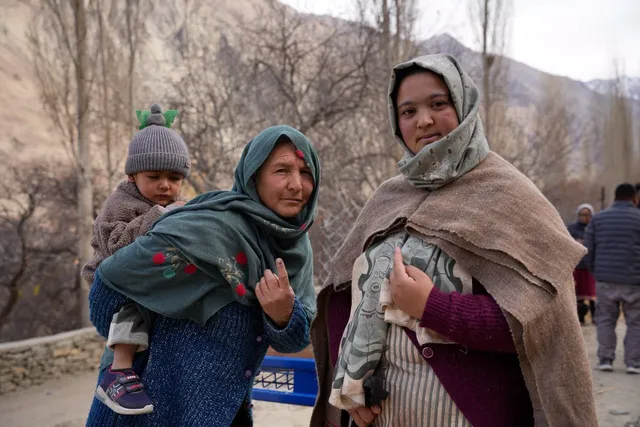
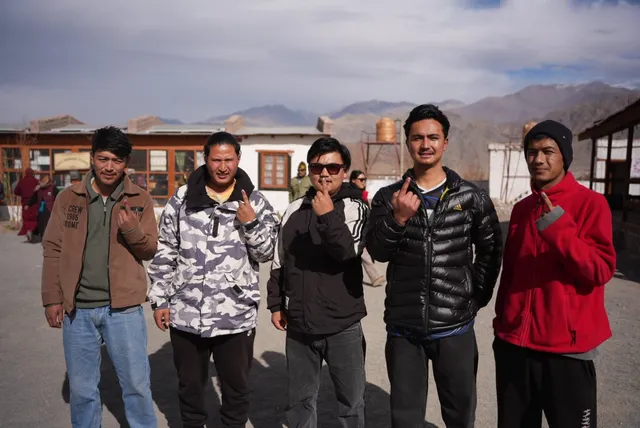
LEH: After an eight-year gap, Ladakh is set to witness elections to its grassroots democratic institutions on Saturday, November 21, with polling scheduled for Panchayat Halqas across the Union Territory and the Municipal Committees of Leh and Kargil.
The elections assume particular significance as the last Panchayat and municipal elections in Ladakh were held in November 2018, when the region was part of the erstwhile State of Jammu and Kashmir. The terms of the elected local bodies expired in November 2023, leaving a prolonged gap in elected representation at the grassroots level.
The scale of the electoral exercise is reflected in the number of candidates who have already been elected unopposed. According to figures shared by Chief Secretary Ashish Kundra during his November 10 media briefing, 55 Sarpanches out of 192 Panchayat Halqas have been elected unopposed, leaving 137 Sarpanch positions for which polling will take place.
The trend is even more pronounced in the election of Panches. Out of 1,428 Panch seats across Ladakh, 1,186 candidates have been elected unopposed, while the remaining 242 seats will be decided through voting.
Thus, the November 21 exercise will involve direct electoral contests for 137 Sarpanch and 242 Panch positions, besides municipal elections in Leh and Kargil. Alongside the Panchayat elections, voters in the two municipal towns will elect their representatives after the expiry of the previous Municipal Committee terms.
The Municipal Committee of Leh has 21 wards, all of which will go to polls, while Kargil has 17 wards, of which four have already returned candidates unopposed. Consequently, polling will take place in 13 Kargil wards.
The final electoral rolls published on October 22 comprise 2,720 electors in Leh and 645 in Kargil, taking the combined municipal electorate to 3,365.
The polling in both municipal committees will take place between 8 am and 5 pm. The elections are being conducted under the Jammu and Kashmir Municipal Act, 2000, and the Jammu and Kashmir Municipal Committee (Election) Rules, 2003.
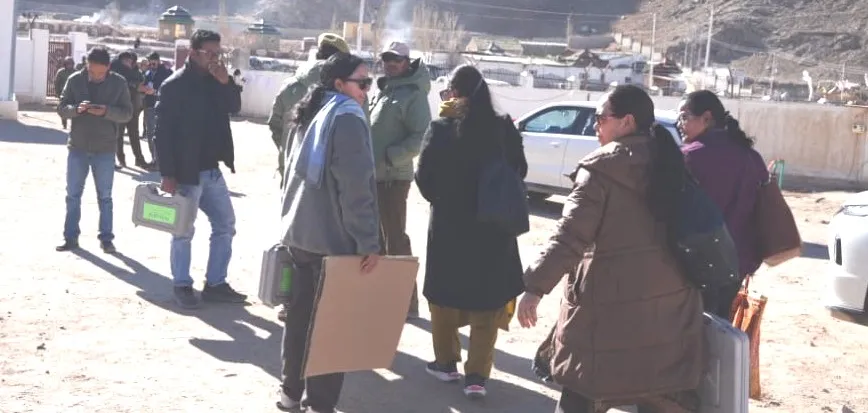
With just hours remaining before polling, district administrations have completed the distribution of election material and deployment of polling personnel.
The Department of Information and Public Relations (DIPR), through its updates on November 20, reported the dispatch of polling teams and election material in different parts of Ladakh.
In Sham district, election material was distributed to polling personnel at Khaltsi under the supervision of Deputy Commissioner and District Panchayat Election Officer Kunzes Angmo. Police personnel, Central Armed Police Forces (CAPF) and ITBP teams were also dispatched to their respective polling stations to ensure security.
In Nubra, election material was handed over to Presiding Officers at the designated dispersal centre, while buses carrying polling personnel departed from the Old SDM Office for their assigned locations. Teams destined for the remotest polling stations were dispatched first, followed by those deployed at comparatively accessible locations.
One of the most challenging logistical exercises has been undertaken in Zanskar, where polling personnel were airlifted by helicopter from Padum to three remote and road-inaccessible polling stations at Ralakung Nangma, Ralakung Phima and Shadey.
The administration said the arrangement was aimed at ensuring that geographical isolation does not prevent residents of remote settlements from exercising their democratic rights.
In Leh, polling teams and security personnel for the Municipal Committee elections were dispatched on Friday along with EVMs, polling materials, stationery and other essential equipment.
Similar arrangements were undertaken in Changthang, where election material and polling parties were dispatched from the Deputy Commissioner’s office after verification of election kits.
In Kargil, a training programme for Zonal and Sector Magistrates and police officers was conducted at Baroo to familiarise officials with poll management, maintenance of law and order and the mandatory two-hourly reporting system on polling day.
Conducting elections in Ladakh in the second half of November presents considerable logistical challenges, particularly in remote and high-altitude settlements where temperatures have already begun to fall.
The Chief Secretary had earlier directed Deputy Commissioners to ensure adequate heating facilities at polling stations, besides separate queues for senior citizens. The administration has also reviewed transportation arrangements, availability of polling materials, deployment and training of personnel, security, strong rooms and counting centres.
In Kargil, Deputy Commissioner Rakesh Kumar and SSP Nitin Yadav have reviewed security and logistical arrangements. According to the district administration’s briefing, police personnel, two companies of CRPF and two companies of ITBP will be deployed across the district, with Quick Response Teams positioned at strategic locations. Sensitive polling stations will receive additional security coverage.
The administration has also emphasised that ballot boxes will be deposited in secured strong rooms following polling and kept sealed until counting.
Saturday’s polling will be followed by another major electoral exercise in Ladakh, with elections to all eight Ladakh Autonomous Hill Development Councils scheduled for December 4.
The newly constituted councils comprise 100 constituencies across Leh, Kargil, Nubra, Sham, Changthang, Zanskar, Drass and Sankoo. Of these, 36 seats have been reserved for women for the first time.
The distinction between the two election schedules is important: Panchayat and Municipal Committee elections are being held on November 21, whereas the LAHDC elections will take place on December 4. The entire election process for the Panchayat and Municipal Committees is scheduled to be completed by November 30.
With the return of elected representatives to Panchayats and Municipal Committees, the immediate test will be whether these institutions can regain their role in local governance, public service delivery and representation of community-level concerns after years without elected bodies.