LEH: The Health Department has conducted a preliminary clinical assessment of adolescent Mipham Khasdup following a viral video in which he was seen speaking to the media at NDS Stadium, Leh, in a visibly distressed state and expressing thoughts of self-harm.
The assessment was carried out by a team of medical professionals, including a consultant psychiatrist, in the presence of a Magistrate to evaluate his emotional well-being and identify the need for further counselling or medical intervention.
Director Health Department, Dr. Thinles, said the assessment was initiated in view of concerns raised by the video and the UT Administration’s commitment to safeguarding the health and well-being of the minor.
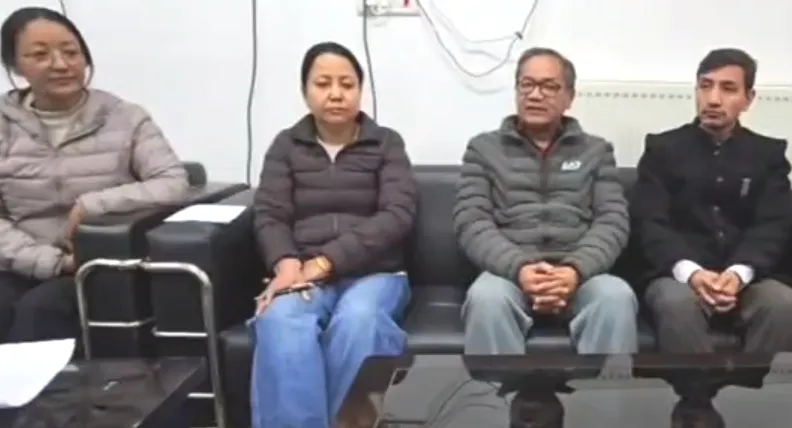
A medical team comprising Dr. Fayaz, Deputy Medical Superintendent, Dr. Padma Angmo, Consultant Psychiatrist, and other medical personnel conducted a preliminary assessment in the presence of a Magistrate.
According to the Director, the assessment involved interviews and clinical interactions aimed at understanding the adolescent’s circumstances, identifying possible signs of emotional distress and determining whether any underlying psychological conditions, including depression or anxiety disorders, required further evaluation.
The medical team emphasised that any clinical assessment involving an adolescent must be conducted in an appropriate and confidential environment, with adequate privacy and minimum interruptions. It, therefore, suggested that the evaluation be undertaken in a hospital setting rather than an open public space such as NDS Stadium.
Dr. Thinles said understanding the individual’s personal circumstances and obtaining relevant medical and personal history were essential before arriving at any clinical conclusion. The process would also include appropriate counselling, care and further medical intervention, wherever necessary.
The Health Department maintained that the preliminary assessment was intended to understand the adolescent’s condition and determine the support required, rather than arrive at a clinical diagnosis without a comprehensive evaluation.
Reiterating the Administration’s commitment to adolescent welfare, the department stressed that cases involving emotional or psychological distress must be handled with sensitivity, professionalism and strict regard for the minor’s privacy and confidentiality.