25th round of Special Representatives’ dialogue comes ahead of Xi Jinping’s expected India visit; eastern Ladakh remains central to the fragile thaw
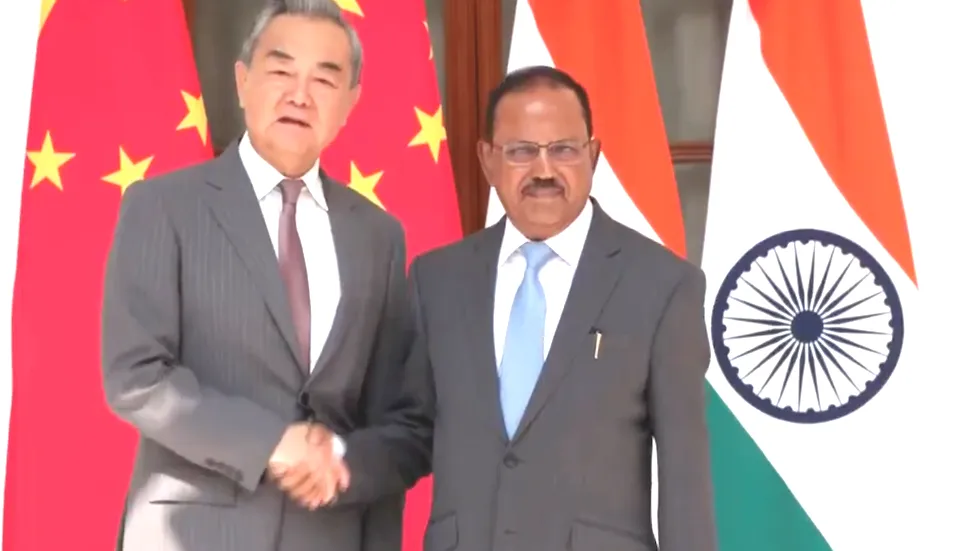
BEIJING: India and China on Tuesday held the 25th round of Special Representatives’ talks on the boundary question, with National Security Adviser Ajit Doval and Chinese Foreign Minister Wang Yi holding high-level discussions aimed at maintaining peace and tranquillity along the frontier and giving further momentum to the gradual stabilisation of bilateral ties.
The talks in Beijing come at a strategically important juncture, barely weeks before India hosts the BRICS Summit in New Delhi on September 12-13, with Chinese President Xi Jinping’s participation expected, though Beijing has not yet formally confirmed his visit. The timing has raised expectations that sustained diplomatic engagement could help consolidate the fragile thaw between the two Asian powers.
In his opening remarks, Doval underlined the direct connection between stability along the border and improvement in the wider relationship, saying that the return towards normalcy had resulted from both sides maintaining peace and tranquillity in the border areas.
Doval and Wang also stressed the need to implement the “clear and positive” direction provided by Prime Minister Narendra Modi and President Xi Jinping for improving bilateral relations. Wang, meanwhile, said the relationship had acquired wider global and strategic significance and called for greater communication, mutual trust and removal of obstacles between the two countries.
The tone reflects a carefully calibrated effort by both sides to separate the management of the boundary dispute from the broader relationship while recognising that durable improvement in ties remains closely linked to stability on the frontier.
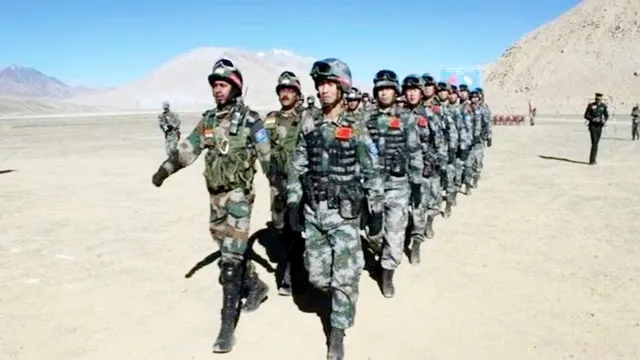
For Ladakh, the significance of the talks extends beyond diplomatic optics. The eastern Ladakh crisis of 2020 transformed the region into the principal theatre of India-China military confrontation, with both countries undertaking massive troop and infrastructure deployments along the LAC.
Ahead of the boundary talks, Doval also met Chinese Vice President Han Zheng in Beijing. According to the Indian Embassy, the two discussed ways to strengthen peace and tranquillity in the border areas and improve bilateral relations across economic, political and multilateral forums, in accordance with the consensus reached by the leaders of the two countries. ([Punjab Page][5])
The meeting provided an additional political dimension to Doval’s visit, indicating that the engagement was not confined solely to the mechanics of the boundary dispute. Tuesday’s talks follow the August 6 meeting of the Working Mechanism for Consultation and Coordination (WMCC) on India-China border affairs, where the two sides discussed issues including boundary management, delimitation, institutional mechanisms and trans-border cooperation. The rapid succession of engagements points to an effort to maintain diplomatic momentum.
Doval had also met Wang Yi in New Delhi in June on the sidelines of the BRICS National Security Advisers’ meeting. The Indian side had then described the discussions as “constructive and forward-looking”, noting progress towards gradual normalisation of bilateral relations.
The latest dialogue therefore marks an important step in the cautious rebuilding of India-China relations, but it does not signify a settlement of the boundary dispute.