DUBAI: Middle East diplomacy appeared to falter heading into Monday with the postponement of a meeting between Iran and other Gulf powers, while attacks around the region’s two most important oil transit routes deepened concern over global energy supplies.
Oil prices jumped more than 3% on Monday, following Houthi strikes on the world’s biggest exporter Saudi Arabia forced the closure of its key 1,200-km (745-mile) east-west pipeline on the weekend, and Iranian attacks on ships in the Gulf compounded supply concerns.
Hopes for a diplomatic breakthrough in the near term faded when Oman’s foreign minister, Sayyid Badr Albusaidi, posted late Sunday that a regional meeting scheduled for Monday had been postponed “in the interests of consensus.”
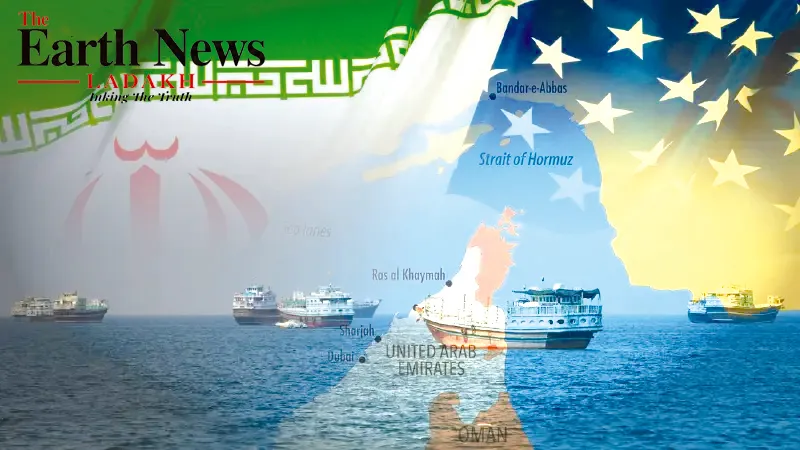
Iranian officials had said they would attend that gathering with Gulf Arab states to present an agreement with Oman on governing shipping routes through the Strait of Hormuz, which carried about a fifth of global oil supplies before the war.
Iran’s Fars news agency cited an Iranian foreign ministry official as saying that the Oman meeting was postponed at the request of some regional countries in a decision jointly made by Tehran and Muscat. The official said Iran would coordinate with Oman to determine a suitable date for holding the meeting.
The postponement came on the heels of Saudi Arabia’s decision to shut down, at least for now, its pipeline that has served as the main route for Middle East oil bypassing the Strait of Hormuz.
Meanwhile, the strait continued to pose risks for oil shipping, with the British maritime security agency UKMTO saying on Sunday that a vessel had been struck by a projectile as it moved through the Strait of Hormuz, causing a fire and forcing the crew to be evacuated.
Iran, for its part, said one person was killed and four crew wounded aboard an Iranian commercial vessel struck off its coast.