CS inspects new infrastructure and Centre of Excellence; directs officials to explore replacement of dilapidated building
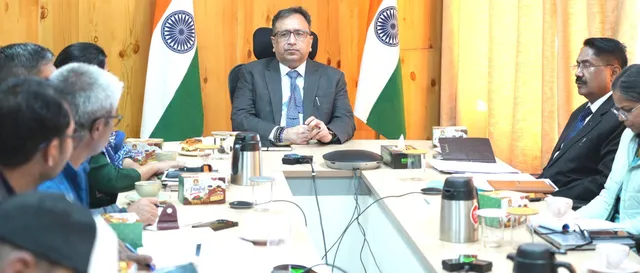
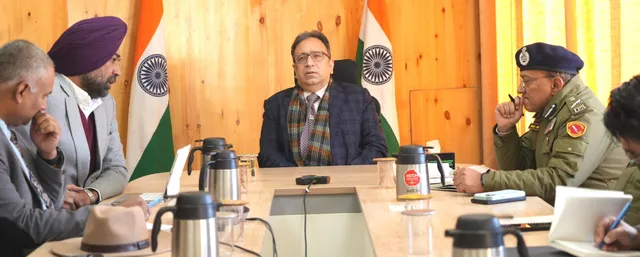
LEH: The Union Territory Administration is exploring the expansion of skill development opportunities at the Industrial Training Institute (ITI), Leh, with a focus on emerging technologies such as drones and solar energy, as Chief Secretary Ashish Kundra on Thursday emphasised the need to develop the institute into an integrated skill development hub for local youth.
During a visit to ITI Leh to assess its infrastructure, training facilities and ongoing developmental works, Kundra inspected the newly constructed institute building, including its Computer-Based Test (CBT) examination centre and multipurpose hall, and reviewed the facilities available for technical and vocational training.
The visit focused on strengthening technical education, upgrading training infrastructure and aligning vocational courses with evolving industry requirements to improve the employability of young people in Ladakh.
Kundra was accompanied by Administrative Secretary for Higher Education, Technical Education and Skill Development, Bhanu Prabha; Assistant Director, Technical Education, Abied Hussain; and other concerned officials. Prabha briefed him on the completed and ongoing works at the institute.
A key outcome of the visit was the Chief Secretary’s emphasis on exploring the introduction of new vocational trades, particularly in drone and solar technologies, to broaden the range of specialised skills available to trainees.
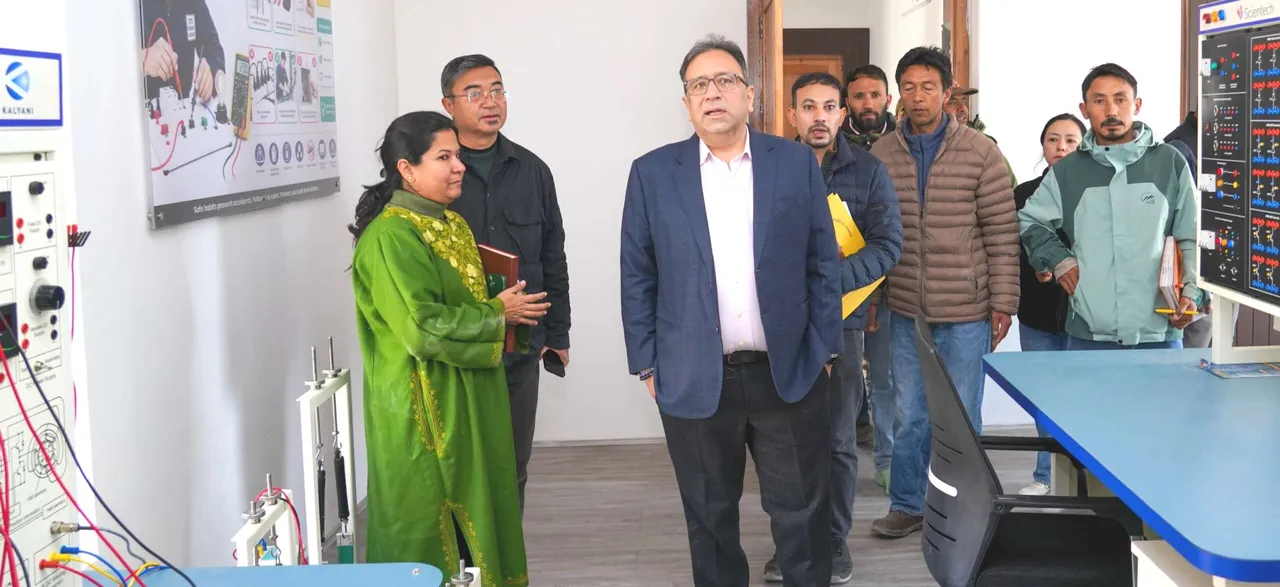
Observing the facilities established at the Centre of Excellence on Integrated Technology at Government ITI Leh, Kundra expressed satisfaction with the infrastructure and equipment available there. He stressed that the institute could be developed into an integrated skill development hub capable of equipping trainees with industry-relevant competencies and improving their employment prospects.
The proposed focus on drone and solar technologies could expand training options in emerging technical fields, although the introduction of these trades would require further examination by the concerned authorities.
During the visit, the Chief Secretary inspected the Centre of Excellence on Integrated Technology and was briefed on the functioning and applications of various training workbenches and electrical equipment.
The facilities include an Industrial Internet of Things (IIoT) Programmable Logic Controller (PLC) Automation Workbench, Safety Earthing Workbench, Battery Training Workbench and Lab Service and Maintenance Workbench.
The equipment provides a platform for practical instruction in automation, electrical safety, battery technology and equipment maintenance, supporting the institute’s efforts to strengthen hands-on technical training. The inspection also provided an opportunity to assess how the existing facilities could be utilised and expanded to meet emerging skill requirements.
Alongside the inspection of newly constructed infrastructure, Kundra directed the concerned officials to explore the construction of a new building to replace the institute’s existing dilapidated structure.
The direction highlights the need to address infrastructure gaps alongside the expansion of modern training facilities, ensuring that the institute’s physical infrastructure keeps pace with its proposed role in technical and vocational education.
Kundra also interacted with students pursuing different trades and courses at ITI Leh, including Computer Operator and Programming Assistant (COPA), electrical, plumbing, stenography and computer-related programmes.
He sought to understand the training experience of students and interacted with faculty members, listened to their grievances and took note of the issues raised during the visit. The assessment was aimed at identifying areas requiring intervention and strengthening the overall functioning of the institute.
The visit comes amid the UT Administration’s broader focus on expanding skill development and improving employment opportunities for Ladakh’s youth. The proposed introduction of specialised trades, coupled with infrastructure improvements and better utilisation of the Centre of Excellence, could help position ITI Leh as a more comprehensive technical training institution.
The next steps will involve examining the feasibility of introducing new trades and exploring the construction of a replacement building, alongside efforts to strengthen existing training facilities.