Fresh JJM schemes for newly established tribal households proposed; focus on source sustainability, waste management and water-quality surveillance
LEH: The Ministry of Jal Shakti has called for a stronger push towards sustainable water security and improved sanitation in Ladakh, directing officials to explore new Jal Jeevan Mission (JJM) schemes for newly established households in tribal habitations and to intensify monitoring of drinking-water sources, waste-management facilities and water-quality surveillance.
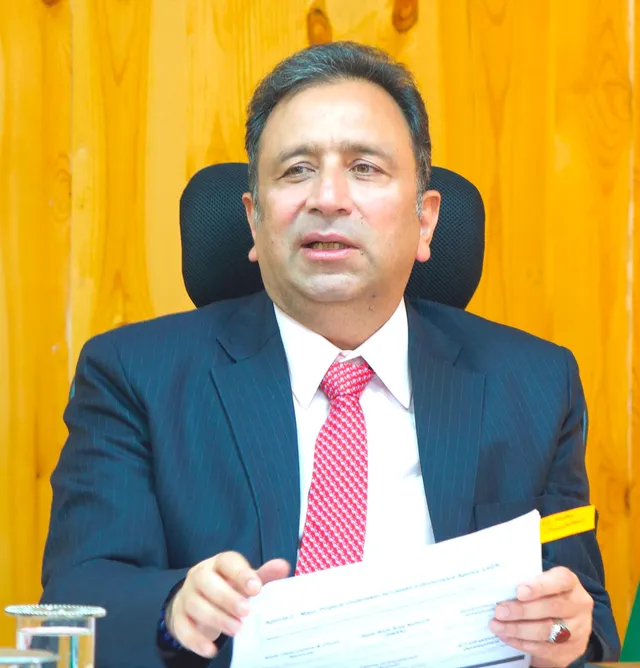
The directions were issued during a detailed review meeting on the implementation of the Jal Jeevan Mission and Swachh Bharat Mission-Grameen (SBM-G) in Ladakh, chaired by Kamal Kishore Soan, IAS, Additional Secretary and Mission Director (NJJM & SBM), Department of Drinking Water and Sanitation, Ministry of Jal Shakti.
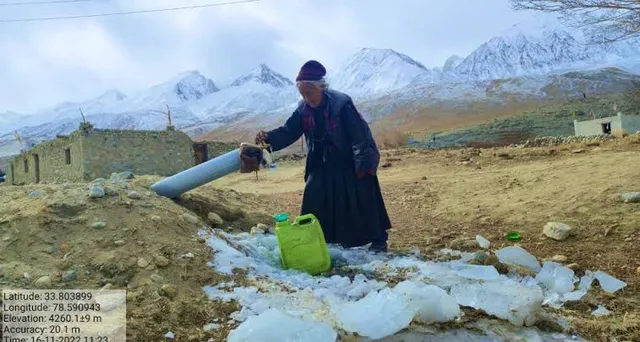
The review assumed particular significance for Ladakh, where the sustainability of water sources remains a major challenge. During the meeting, Soan specifically sought details on the mechanism for extending JJM coverage to newly established households in tribal villages and directed officials to examine the feasibility of new schemes and prepare Detailed Project Reports to meet the water requirements of such habitations. He assured that necessary support and sanction would be considered to facilitate the initiative.
The Ministry also stressed that expanding tap-water infrastructure must be accompanied by sustained attention to the quality and long-term availability of water sources. Soan directed officials to undertake post-monsoon testing of drinking-water sources for both quality and quantity, including assessment of source yield, while ensuring timely completion of ongoing JJM works.
The meeting reviewed the progress of JJM in Ladakh, including Functional Household Tap Connections, physical and financial progress of schemes, Har Ghar Jal reported and certified villages, Jal Arpan Diwas activities, CIRP reforms, District Improvement Plans and deployment of Nal Jal Mitras.
Particular emphasis was placed on ensuring that Jal Arpan Diwas activities are completed within the prescribed calendar and in accordance with the newly launched Jal Arpan Module of the National Jal Jeevan Mission.
The review also highlighted Ladakh’s efforts towards strengthening water-source sustainability. Videos showcasing projects under the Him-Sarovar and Rock Check Dam initiatives demonstrated measures being undertaken for groundwater recharge, water conservation and improved channelisation of water for irrigation as well as drinking-water purposes.
On the sanitation front, the Ministry reviewed implementation of SBM-G across Ladakh’s 240 villages, including the functionality of solid-waste management assets, verification of ODF Plus Model Villages, Individual Household Latrines, Community Sanitary Complexes and cleanliness drives.
The functionality of waste-management machinery in Pangong came under specific scrutiny, with Soan directing officials to ascertain its operational status. He also called for greater coordination with Army authorities, who have expressed willingness to support waste-management initiatives in the area.
Calling for closer convergence between JJM and SBM-G, Soan directed sanitation authorities to undertake proper assessment before designating dumping sites, particularly ensuring that water bodies and drinking-water sources are not located within or near such areas. JJM officials, meanwhile, were asked to ensure regular cleaning and maintenance of water sources, storage tanks and other water-supply infrastructure during the Swachhata Hi Seva campaign from September 17 to October 2.
Another key direction concerned grassroots water-quality monitoring. Soan stressed the need to remap women workers engaged under JJM as Field Testing Kit users, ensuring that their deployment does not weaken essential water-quality surveillance. He also called for greater convergence with members and functionaries of the State Rural Livelihood Mission to strengthen community-level monitoring.
Deputy Commissioner, Kargil, Rakesh Kumar also shared successful initiatives undertaken in the district and flagged challenges relating to the availability and management of tourist toilets during the winter season, seeking appropriate measures to address the issue.
The meeting concluded with directions for stronger inter-departmental coordination, timely completion of projects and effective maintenance of water and sanitation assets, with the focus firmly placed on ensuring safe, sustainable drinking water and improved sanitation facilities across Ladakh.
The meeting was attended by Commissioner/Secretary PHE/I&FC Shurbir Singh, Administrative Secretary Bhanu Prabha, DC Leh Romil Singh Donk, DC Kargil Rakesh Kumar (virtually), Director Rural Development and Panchayati Raj Sajjad Qadri (virtually), Additional Secretary PHE/I&FC Dr Mohammad Usman Khan, Chief Engineer PHE/I&FC Mohd Abbas, ACD Leh Jigmet Raftan, Deputy Director Rural Development Sanjit Bhardwaj, Executive Engineers, AEEs, AEs and the JJM PMU team.