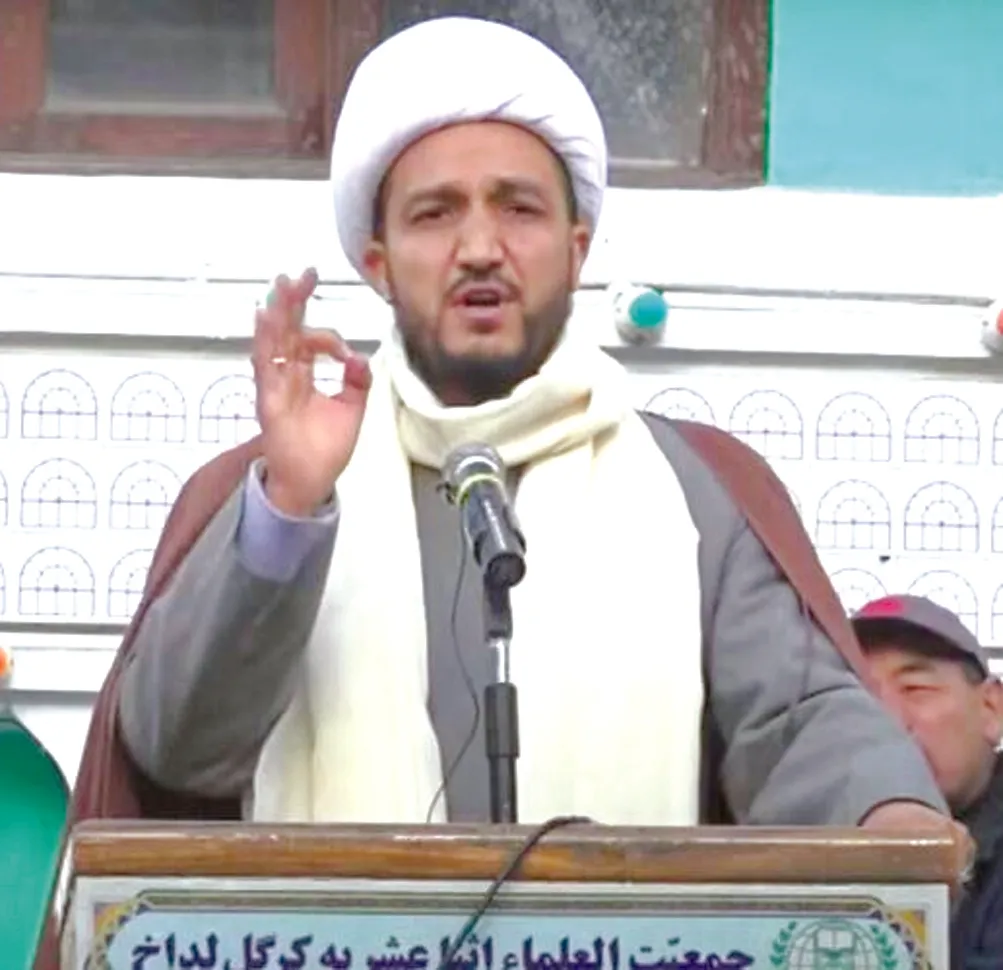
KARGIL: President of the Jamiat Ulama Isna Asharia Kargil, Sheikh Nazir Mehdi Mohammadi, has urged Ladakh Chief Secretary Ashish Kundra, IAS, to keep the Ladakh Autonomous Hill Development Councils (Nautor Regularisation) Rules, 2026 in abeyance until ongoing discussions on an elected Union Territory-level body and constitutional safeguards for Ladakh are concluded.
In a statement issued on Monday, Mohammadi argued that decisions on land administration should await the outcome of the broader discussions between the Ministry of Home Affairs (MHA) and Ladakh’s leadership, given the implications of land rights for the people of the Union Territory.
The demand comes amid continuing deliberations on safeguards relating to land, jobs and other issues concerning Ladakh. The Jamiat leader said any changes to the existing land framework should involve the people and their elected representatives.
“At a time when the Ministry of Home Affairs is engaged in discussions with Ladakh’s leadership on a proposed UT-level elected body and constitutional safeguards, it would be premature to finalise rules that could significantly alter the existing land framework,” Mohammadi said.
He specifically sought that the Nautor Rules remain in abeyance until the proposed elected body and constitutional safeguards are finalised.
The Ladakh Administration had approved the Nautor Regularisation Rules, 2026 on September 4, with the framework providing for proprietary rights over eligible Nautor land holdings of up to 10 acres and leasehold arrangements for holdings beyond that limit. The rules apply to eligible occupation existing before October 27, 2020, and vest the authority to allot Nautor land with the Ladakh Autonomous Hill Development Councils.
The Administration subsequently held consultations with stakeholders on the framework. Chief Secretary Ashish Kundra chaired a consultative meeting on September 16 involving prominent citizens, former public representatives, subject experts, religious leaders and representatives of socio-religious organisations and political groups. The discussions covered historical occupation, tenancy and proprietary rights, land-use regulation, field verification, eligibility and the role of the Hill Councils.
The Chief Secretary had also stated earlier that the final rules had not yet been notified and that valid suggestions from stakeholders would be considered before finalisation. He said the proposed framework sought to address longstanding issues concerning tenancy and conversion of eligible tenancy rights into ownership rights, while actual regularisation would fall within the jurisdiction of the elected Hill Councils.
Against this backdrop, Mohammadi called for what he described as a “clear, democratic and constitutionally sound framework” for land rights and administration in Ladakh.
He maintained that meaningful participation of the people and their elected representatives should precede decisions affecting land administration, arguing that the ongoing discussions on institutional and constitutional safeguards warranted restraint before the proposed rules are finalised.
The Jamiat statement did not identify specific provisions of the Nautor Rules that it believes could alter the existing land framework, nor did it set out proposed amendments to the rules. Its immediate demand is for the framework to remain in abeyance until the wider discussions on Ladakh’s proposed elected body and constitutional safeguards are concluded.