Heritage Plan to cover Architecture, Water System and Sustainable Tourism
YASH KHAJURIA
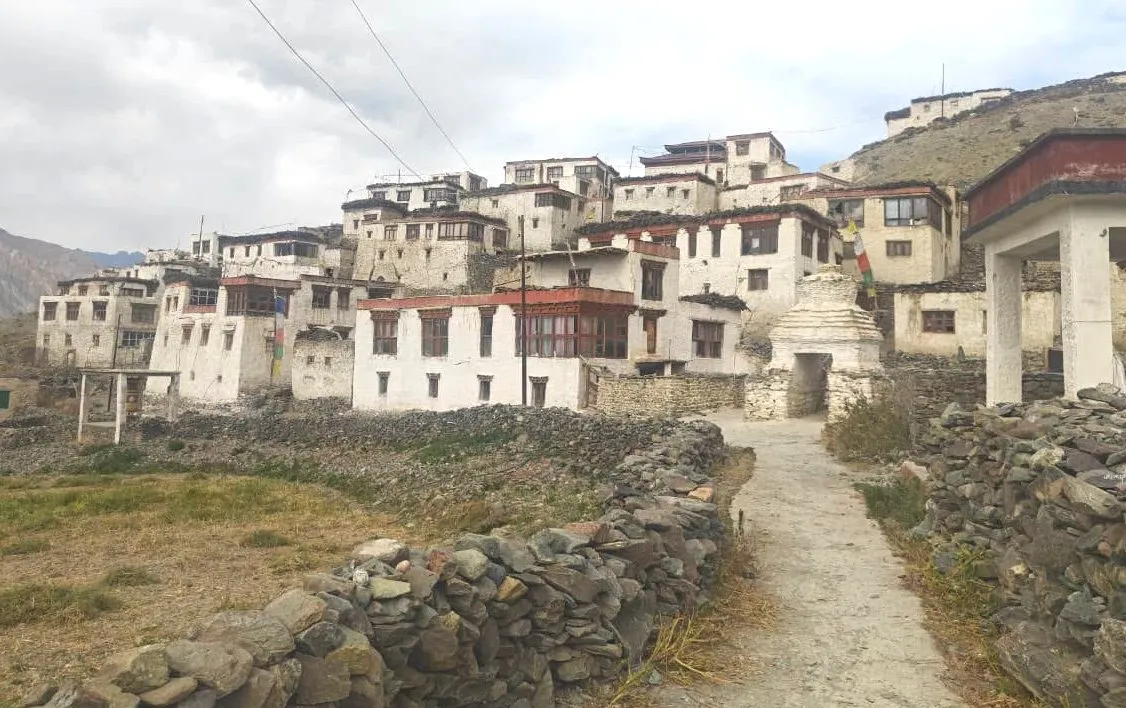
LEH: In a move aimed at safeguarding Ladakh’s fragile cultural legacy, the UT Administration has declared Kumic, a historic settlement in Zanskar, a Heritage Site, placing its traditional architecture, Buddhist heritage, agricultural terraces and centuries-old water-management systems under legal protection.
The declaration, notified by the Tourism and Culture Department under the Jammu and Kashmir Heritage Conservation and Preservation Act, 2010, marks a significant step towards preserving the settlement’s distinctive cultural landscape and traditional way of life.
Located in Thungday Khumi revenue village of Zanskar tehsil, Kumic has been recognised for its traditional habitation, sacred Buddhist sites, vernacular architecture, historic stone walls, agricultural terraces and indigenous irrigation systems. The notification, S.O. 297 dated November 4, follows a survey and documentation exercise that recorded the settlement’s architectural, religious and cultural features.
The move comes after the Deputy Commissioner, Zanskar, and the Deputy Director, Archives, Archaeology and Museums, recommended its inclusion under the heritage protection framework. A 30-day public notice was issued on September 15, inviting objections and suggestions before the administration formally notified the declaration.
Beyond protecting individual structures, the notification seeks to preserve Kumic as a living cultural landscape, linking heritage conservation with the community’s traditional livelihoods and sustainable development.
A Heritage Village Development Plan is envisaged to guide the restoration of traditional houses, monuments, water mills, pathways and public spaces, while also addressing agricultural conservation, irrigation infrastructure and water security.
The plan also places emphasis on safeguarding intangible cultural heritage, including traditional festivals, rituals, religious practices, oral traditions and indigenous knowledge. Promotion of handicrafts, traditional skills and local livelihoods through training and community-based initiatives has also been identified as a priority.
Tourism development forms another key component of the proposed framework. Homestays, walking and nature trails, local guide programmes and community spaces are envisaged as ways to promote responsible tourism while creating livelihood opportunities for residents.
The notification also places restrictions on activities that could undermine the settlement’s heritage character. Unauthorised demolition or alteration of historic structures, incompatible construction, commercial activities in restricted areas and environmentally damaging interventions will be regulated under the Act.
No listed heritage structure or site can be demolished, materially altered or developed without prior permission under the applicable provisions. Construction and planning permissions within the declared area will also have to conform to heritage conservation requirements.
The administration has also provided for community participation in the conservation process, recognising the importance of local residents in protecting traditional architecture, agricultural practices and cultural traditions.
The notification clarifies that the heritage declaration, by itself, does not amount to acquisition or transfer of ownership of privately held properties within the protected area.
Issued by order of the Lieutenant Governor and signed by Tourism and Culture Secretary Sanjit Rodrigues, IAS, the notification provides a legal framework for the long-term protection of Kumic’s historic and cultural character.
The challenge ahead will be to translate the heritage status into effective conservation on the ground while ensuring that development and tourism do not come at the cost of the settlement’s traditional identity.