IAF flags Posts from sensitive areas
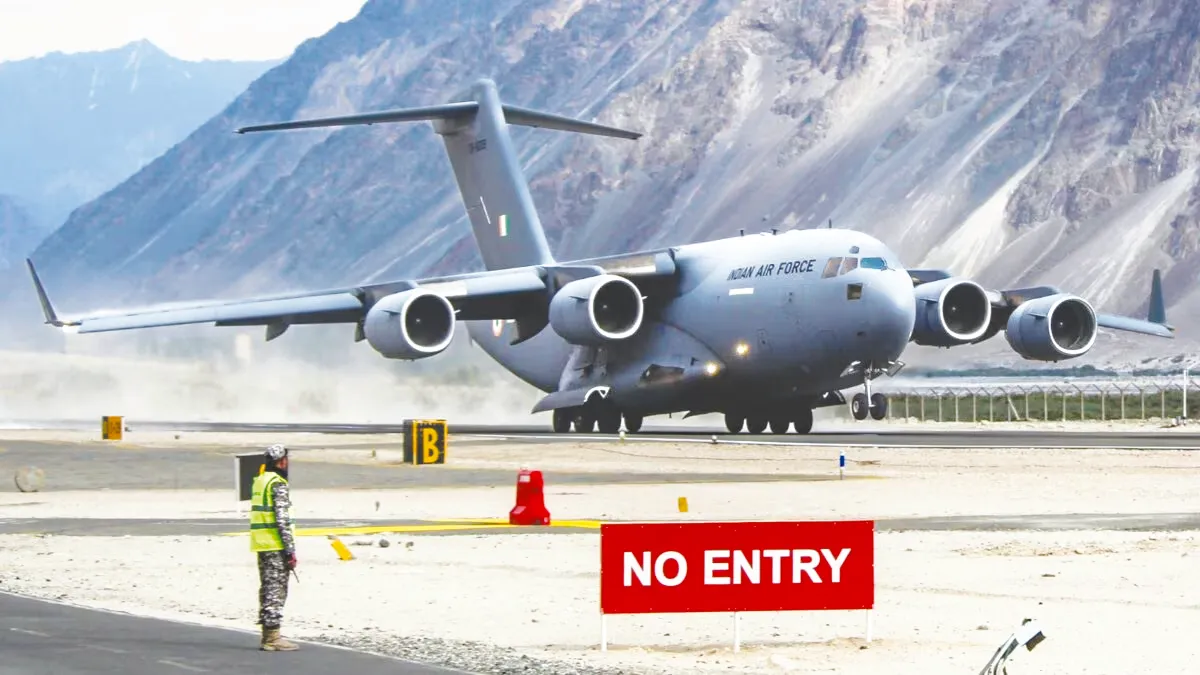
LEH: The Ladakh administration has directed concerned agencies to formulate Standard Operating Procedures (SOPs) and strengthen enforcement measures to prevent unauthorised photography and videography of sensitive locations in Leh, including areas around the strategically important dual-use airport, following concerns raised by the Indian Air Force over the increasing circulation of operational images on social media platforms.
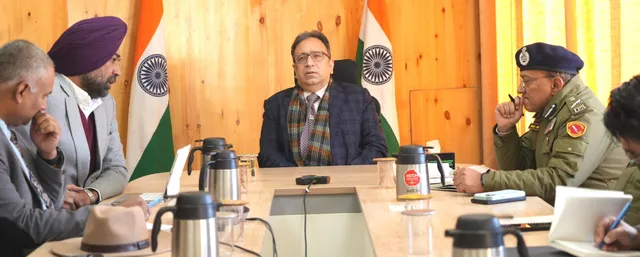
The directions were issued during a high-level interdepartmental meeting chaired by Administrative Secretary, Civil Aviation Department, Nidhi Malik, to review aviation safety, infrastructure, security and operational issues flagged by Air Force Station Leh.
Officials said the concerns were highlighted in a communication submitted to the Office of the Lieutenant Governor, prompting a detailed review involving multiple departments and security agencies.
During the meeting, Malik directed the concerned agencies to intensify enforcement of existing regulations governing restricted areas, undertake public awareness campaigns and prepare comprehensive SOPs aimed at preventing unauthorised recording and dissemination of images from sensitive installations.
The meeting also reviewed broader aviation safety concerns associated with the proposed second runway, obstacle limitation requirements, airspace management and terrain-related constraints affecting future operational planning.
Air Force representatives emphasised the need for scientific assessment of physical obstructions in the vicinity of aviation infrastructure to ensure compliance with safety standards and support future operational requirements. Following the discussion, Malik instructed the Border Roads Organisation, Revenue Department and other technical agencies to conduct surveys of identified locations and submit detailed reports with recommendations.
Security concerns relating to the installation of CCTV cameras and surveillance infrastructure overlooking sensitive Air Force establishments were also examined. It was decided that any such infrastructure would be permitted only in accordance with prescribed security protocols and after obtaining requisite clearances from competent authorities.
The meeting further reviewed issues related to unauthorised construction activities, building permissions, land-use regulations surrounding airport zones and compliance with obstacle limitation norms designed to safeguard aviation operations.
Underscoring the importance of strict regulatory compliance, Malik directed departments to strengthen monitoring mechanisms and ensure adherence to construction and land-use regulations within designated aviation safety zones.
The deliberations reflect a broader effort by the administration and defence authorities to balance infrastructure expansion and urban development with aviation safety, operational security and strategic considerations in the region.