CS Kundra reviews existing permit framework and examines measures to make travel for foreign visitors more convenient, transparent and efficient
LEH: The Ladakh administration is set to undertake a major overhaul of the Protected Area Permit (PAP) and Restricted Area Permit (RAP) regime for foreign tourists, with the government proposing a more seamless permit system aimed at reducing procedural hurdles while maintaining security safeguards.
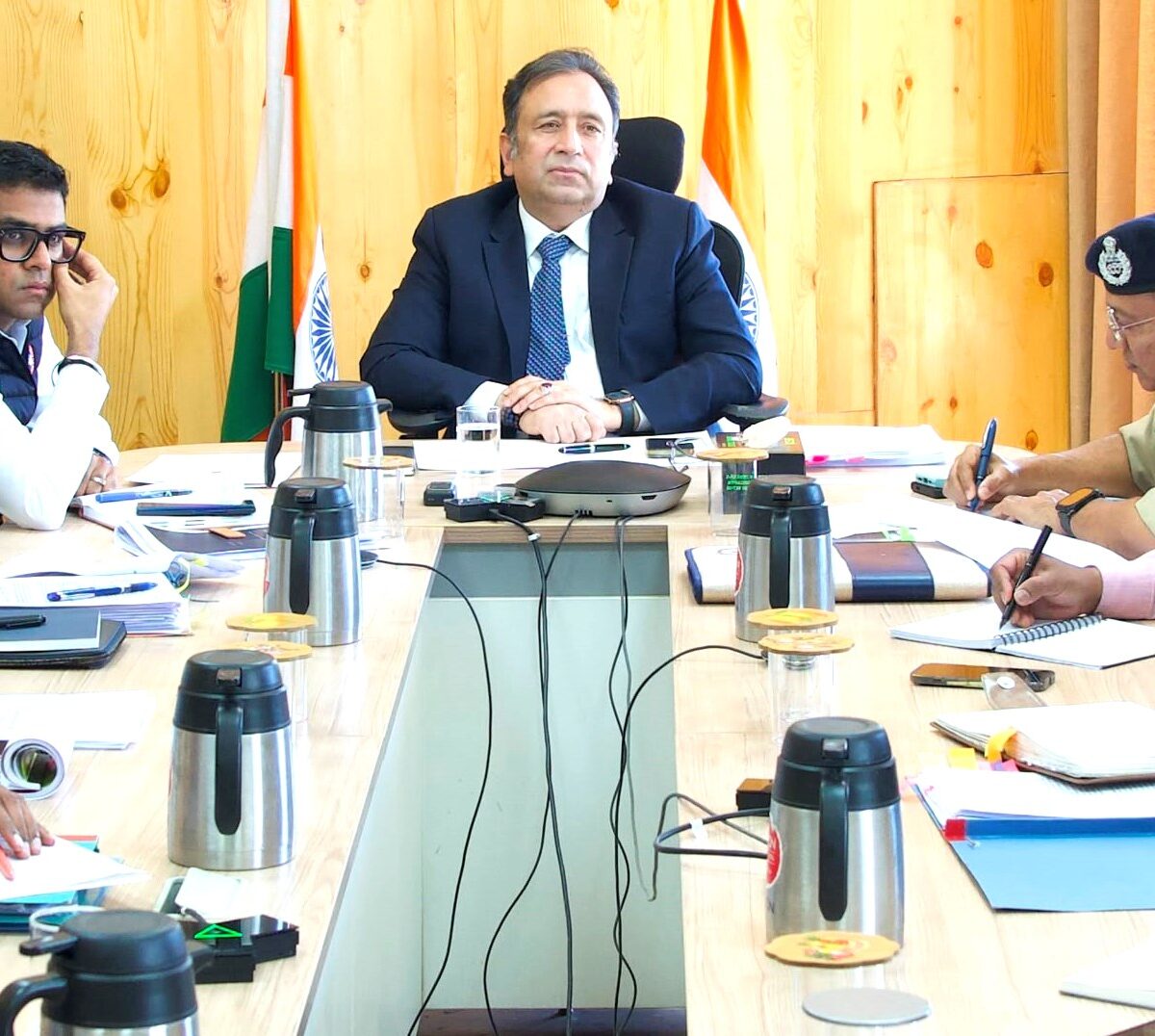
Chief Secretary Ladakh Ashish Kundra chaired a high-level meeting at the Civil Secretariat, Leh, on Monday to review the existing permit framework and examine measures to make travel for foreign visitors more convenient, transparent and efficient.
A key proposal emerging from the meeting was to explore the feasibility of introducing a single PAP covering the entire Union Territory of Ladakh, with only specifically restricted areas being excluded and clearly identified on the permit. The move could significantly simplify the existing permit regime, particularly for foreign tourists travelling across multiple regions of Ladakh.
Administrative Secretary, Tourism & Culture, Sanjit Rodrigues, gave a detailed presentation on the existing PAP and RAP framework, including the geographical areas covered by the permits, restricted zones in northern and eastern Ladakh, and the procedures governing their issuance and verification under the Immigration and Foreigners Act, 2025.
Kundra stressed the need to strike a careful balance between tourist facilitation and security requirements, observing that Ladakh is a premium tourist destination and that regulatory mechanisms should not become unnecessarily intrusive.
He expressed concern over existing verification and validation mechanisms for certain categories of foreign nationals and called for streamlining the system. He also emphasised the need to minimise unnecessary checkpoints and procedural delays that inconvenience visitors without compromising security.
As part of the proposed modernisation, the Deputy Commissioner, Leh, was asked to examine the feasibility of introducing facial recognition technology and self-registration facilities at designated checkpoints to strengthen permit verification and reduce dependence on cumbersome manual procedures.
The meeting also reviewed arrangements at key entry and verification points, particularly along the Changthang axis through Upshi and Kharu and at North Pullu in Nubra. The administration also discussed establishing dedicated foreign-national registration and verification desks at the airport, including separate arrangements for visitors requiring additional scrutiny under revised Standard Operating Procedures.
The proposed system would also cover verification of travel purpose, accommodation details and other supporting documentation, with the aim of creating a standardised and seamless mechanism for foreign tourist registration and permit verification.
In another significant compliance measure, the Chief Secretary directed the Tourism Department to engage with taxi and bike unions involved in facilitating foreign tourist travel and ensure proper maintenance of travel records, logbooks and visitor information.
Hotels, guesthouses and homestays are also to be brought into closer compliance with mandatory registration requirements. The meeting decided to make maintenance of Form III records, earlier known as Form C, mandatory for all accommodation establishments hosting foreign nationals, with records to be maintained through the Form III portal.
The Chief Secretary directed the Tourism Department to prepare a revised Standard Operating Procedure (SOP) incorporating the decisions and directions emerging from the meeting. The revised framework is expected to make the permit process more streamlined and transparent while strengthening accountability and security verification.
The proposed reforms mark an attempt by the administration to shift from a checkpoint-heavy and fragmented approach towards a technology-enabled, simplified and visitor-friendly permit regime, without diluting safeguards governing sensitive areas.
The meeting was attended by DGP Ladakh Anand Jain, Administrative Secretary, PD&MD, Himanshu Gupta, Deputy Commissioner Leh Romil Singh Donk and other concerned officers. Officials from other districts participated through virtual mode.