Ladakhi craftsmanship showcased alongside traditional textiles from three other Indian states and contemporary Spanish fashion; international platform opens fresh opportunities for cultural exchange and global market visibility
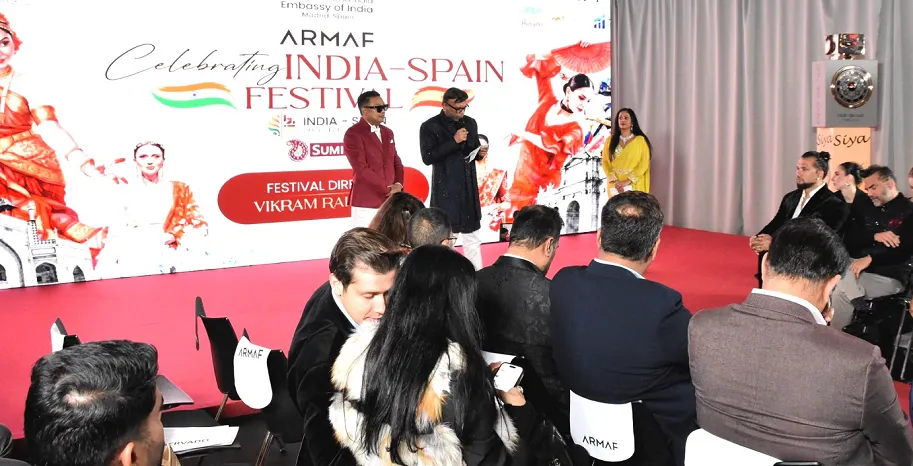
LEH: Ladakh’s centuries-old textile traditions have received another international spotlight, with the region’s indigenous craftsmanship featuring at the ‘Celebrating India–Spain Festival 2026’ in Madrid, Spain, as part of the India–Spain Dual Year celebrations.
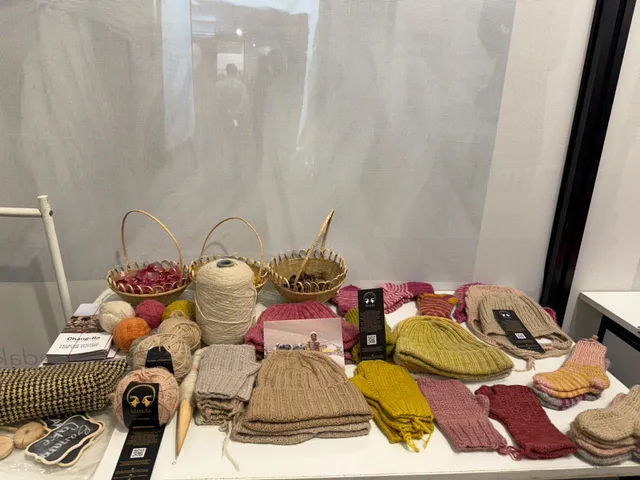
The showcase brought Ladakh’s distinctive textile heritage to an international audience, placing it alongside traditional textiles from Andhra Pradesh, Uttarakhand and Mizoram, as well as contemporary fashion creations from Spain. The participation offered an opportunity to present the region’s cultural identity and indigenous craftsmanship within a broader global conversation on fashion, design and textile heritage.
The festival featured seven runway presentations, bringing together creations by emerging designers from India and Spain. The evening opened with addresses by the Indian Ambassador to Spain and Festival Director Vikram Rai Medhi, who highlighted the historical significance of textiles in Indian civilisation and the evolution of traditional craftsmanship through changing generations and fashion trends.
The presentations demonstrated how India’s traditional textile practices can find contemporary expression without losing their cultural roots. Flamenco performances, live music and Indian dance added to the celebrations, turning the event into a wider cultural exchange between the two countries.
For Ladakh, the international exposure is particularly significant given the distinctiveness of its textile traditions, especially its celebrated Pashmina heritage, which is deeply connected to the pastoral communities of Changthang.
The Madrid presentation assumes added significance against the backdrop of Ladakh’s growing efforts to position its indigenous crafts in national and international fashion markets. The region’s Pashmina, produced from the fine undercoat of the Changra goats reared by Changpa nomadic pastoralists in the high-altitude pastures of Changthang, represents one of its most distinctive textile traditions.
The international showcase also builds on Ladakh’s recent visibility in the global fashion and textile industry. In October, the UT Administration facilitated the participation of four Ladakhi designer labels — Namza by Padma Yangchan, Zilzom by Stanzin Palmo, Changra Ladakh by Deskit Angmo and Charkha Ladakh by Rigzin Yangdol — at Lakmé Fashion Week in partnership with the Fashion Design Council of India (FDCI) in New Delhi.
Their presentation, titled ‘The Fifth Season: A Fashion Story from Ladakh’, traced the journey of Ladakhi textiles from the high-altitude pastures of Changthang to contemporary fashion. It featured traditional Pashmina, brocade fabrics, handwoven shawls and contemporary interpretations of indigenous woollen textiles. Artisans from Changthang also participated, bringing the communities behind the region’s celebrated craftsmanship into the spotlight.
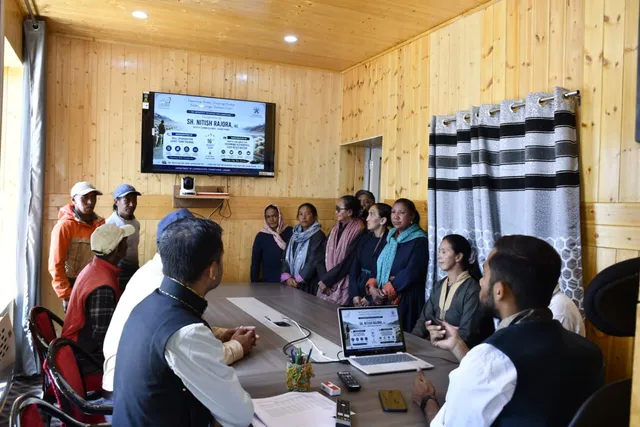
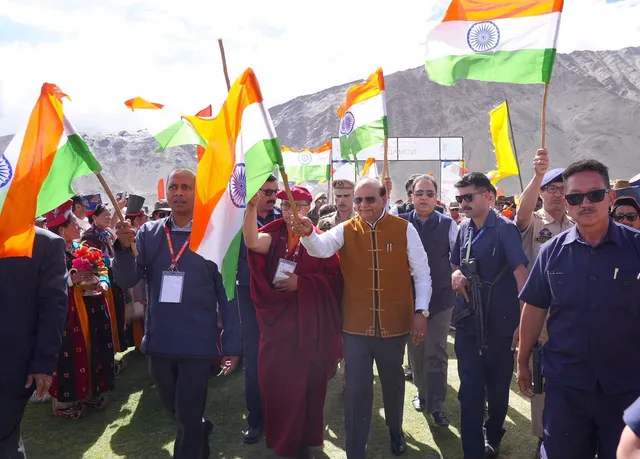
The UT Administration has also been working to translate this growing recognition into tangible economic opportunities. The two-day Ladakh Pashmina Conclave, held in Leh on October 23–24, brought together herders, artisans, designers, entrepreneurs and international delegates from Mongolia, Japan and Thailand. A Memorandum of Understanding between the Ministry of Textiles and the Department of Industries and Commerce, UT Ladakh, was signed to strengthen cooperation in promoting the Pashmina sector. A postal stamp recognising GI-tagged Ladakh Pashmina was also released.
Meanwhile, the Madrid festival’s business networking programme has focused on opportunities in textiles, tourism and investment, bringing representatives from Andhra Pradesh, Uttarakhand, Mizoram and Ladakh into interaction with Spanish industry professionals. The discussions are intended to explore business partnerships, trade opportunities and tourism collaborations between the two countries.
The India–Spain Dual Year 2026 marks 70 years of diplomatic relations between the two countries, established in 1956, with cooperation centred on culture, tourism and artificial intelligence.
For Ladakh, participation in such international platforms carries significance beyond cultural representation. The challenge is to convert the growing global interest in its textile heritage into sustained demand, stronger market access and better returns for the pastoralists, weavers, artisans and entrepreneurs who preserve these traditions.
As Ladakh’s indigenous textiles find space alongside international fashion, the focus must remain on ensuring that the communities responsible for sustaining this heritage become the principal beneficiaries of its expanding recognition.