Move extends elected Hill Council system to Sham, Nubra, Zanskar, Drass and Changthang
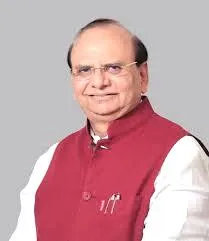
LEH: Lieutenant Governor Vinai Kumar Saxena on Thursday approved the notification for creation of Ladakh Autonomous Hill Development Councils (LAHDCs) in all seven districts of the Union Territory, setting the stage for elected local councils in the five newly created districts and extending the existing Hill Council framework beyond Leh and Kargil.
The notification, approved following the Centre’s July 13 decision to extend LAHDCs to all seven districts, covers Leh, Kargil, Sham, Nubra, Zanskar, Drass and Changthang. Elections to the newly constituted councils will be held in due course after the requisite notification is issued under Section 8 of the Ladakh Autonomous Hill Development Councils Act, 1997.
The Revenue Department, UT of Ladakh, said the notification would come into force from the date of its publication in the Official Gazette.
Saxena announced the decision on social media platform X, describing it as a “historic day” for the Union Territory and linking the move to the creation of the five new districts and the Centre’s subsequent decision to extend the LAHDC system across Ladakh.
“A historic day for the Union Territory of Ladakh! Today, I have approved the notification for the creation of Ladakh Autonomous Hill Development Councils (LAHDCs) in all 7 districts in the Union Territory.
This landmark move follows the historic creation of five new districts – Sham, Nubra, Zanskar, Drass, and Changthang in April this year, and the Centre’s subsequent decision of extending LAHDCs to all 7 districts, on 13 July. This momentous decision, under the proactive leadership and guidance of Hon’ble Prime Minister, Shri @narendramodi ji and Hon’ble Union Home Minister, Shri @AmitShahji, will decentralise and strengthen local governance, ensure true autonomy for our local bodies, and fulfil the long-standing aspirations of our people, at the grassroots level.
With the notification in place, the process for elections to these councils shall begin in the due course. I am confident, this would empower Ladakh and its people to chart its own path of progress and inclusive development. It reaffirms our collective resolve for building a stronger, developed and more empowered Ladakh. I congratulate every citizen of Ladakh on this historic occasion.”
The Lieutenant Governor also thanked Prime Minister Narendra Modi and Union Home Minister Amit Shah for the decision, stating that the seven-council arrangement would decentralise governance and enable local aspirations and priorities to find greater expression in district-level planning and development.
The LAHDC system was previously confined to Leh and Kargil. Its extension to the five new districts — Sham, Nubra, Changthang, Zanskar and Drass — will create an elected institutional mechanism for local participation in development and administrative affairs across the expanded district structure.
The Centre had announced the creation of the five new districts in August 2024, increasing the number of districts in Ladakh from two to seven. The new administrative units subsequently became the basis for the Centre’s July decision to extend the LAHDC framework to all seven districts.
The move is expected to alter the structure of grassroots governance in the Union Territory, particularly in areas that had so far remained outside the elected Hill Council system. The councils are intended to provide greater local participation in matters concerning development, planning and administration.
According to the Revenue Department notification, the election process for the new councils will follow the formal notification required under the LAHDC Act, 1997. The precise schedule for elections is yet to be announced.
The approval comes amid sustained public debate in Ladakh over political representation, decentralisation and safeguards for local communities. The extension of LAHDCs to all seven districts provides an institutional route for elected representation at the district level as the Union Territory’s administrative structure expands.