Leh: India’s proposed rail link to Ladakh could rewrite the record books in high-altitude engineering, with plans for a railway station at Tengla, near the Tanglang La pass, at an elevation of 17,582 feet above sea level. If built as proposed, the station would overtake China’s Tanggula railway station in Tibet, currently the world’s highest at 16,627 feet, by nearly 1,000 feet.
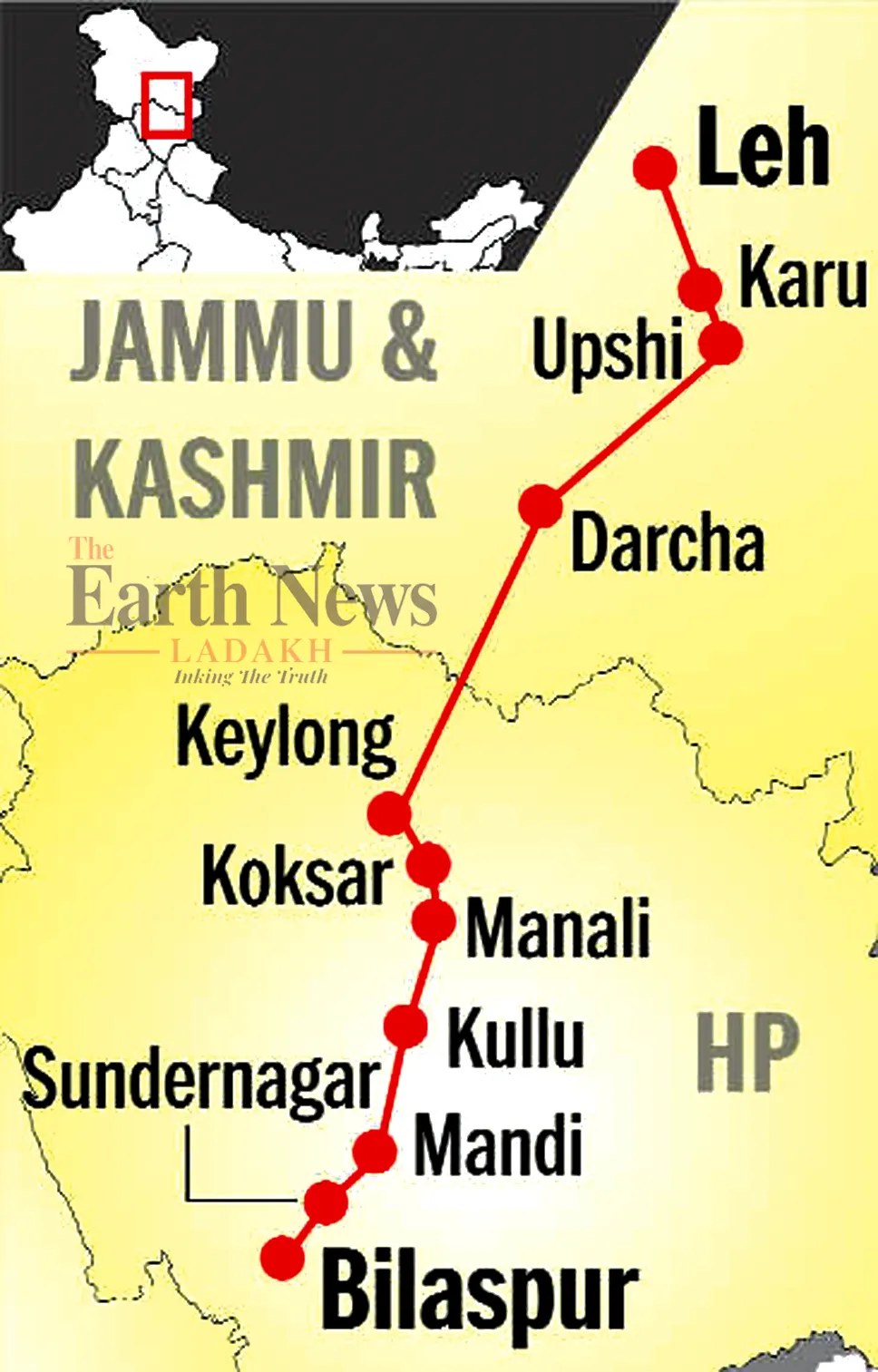
The proposed Bilaspur–Manali–Leh railway line, estimated to cost Rs 1.31 lakh crore, is envisaged as a 489-km corridor through some of the most difficult terrain in the Himalayas. Beyond its engineering scale, the project carries strategic importance for the Ministry of Defence, with the proposed rail link expected to strengthen military logistics and provide all-weather connectivity to Ladakh.
According to the information provided by the Union government, survey work for the corridor has been completed and a Detailed Project Report (DPR) prepared. However, the project is yet to receive formal approval for construction. The proposal requires consultations with multiple stakeholders and clearances from agencies, including NITI Aayog and the Ministry of Finance.
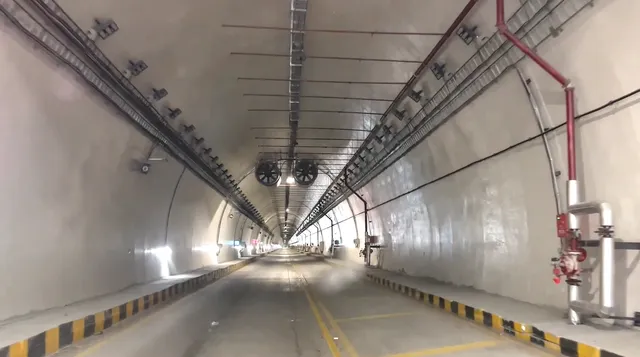
The scale of the engineering challenge is reflected in the proposed alignment: around 270 km of the 489-km route—more than half its total length—would pass through tunnels. The project is also planned to include 62 tunnels and 116 bridges, cutting through difficult mountain terrain to connect Bilaspur in Himachal Pradesh with Leh.
The proposed route would pass through Sundernagar, Mandi, Manali, Keylong, Sarchu and Upshi before reaching Leh. It would also include an underground railway station at Keylong, which is envisaged as India’s first of its kind.
The proposed station at Tengla would stand at approximately 5,359 metres above sea level, surpassing the Tanggula station in Tibet, which is situated at 5,068 metres. The proposed elevation would place the Ladakh station at the forefront of high-altitude railway infrastructure, although the record would depend on the project being approved and completed as planned.
For Ladakh, the proposed line could have implications well beyond the movement of passengers. At present, road connectivity to the region remains vulnerable to harsh winter conditions and disruptions along mountain routes. A rail link operating through the year could provide a more reliable channel for transporting essential supplies, reduce dependence on seasonal road access and help moderate the sharp fluctuations in commodity prices during winter.
The corridor is also expected to open up new opportunities for tourism and economic activity across Lahaul-Spiti, Zanskar and Leh. Improved connectivity could make remote destinations more accessible, while creating opportunities for local businesses and tourism-related services.
The project is expected to serve a strategic purpose as well. Better connectivity with Ladakh could strengthen the movement of personnel, equipment and supplies to a region of importance for India’s national security. The proposed all-weather link is therefore being viewed as both a major infrastructure investment and a strategic connectivity project.
The first phase of the wider corridor, the Bhanupali–Bilaspur section, is already under construction and is expected to be completed by 2027. The larger Bilaspur–Manali–Leh project, however, remains at the approval stage, with its construction timeline yet to be established.
For now, the proposed railway line remains an ambitious plan rather than an approved construction project. Its eventual execution would depend on the clearances, funding decisions and technical assessments required for a corridor that would traverse some of the highest and most challenging terrain in the country.