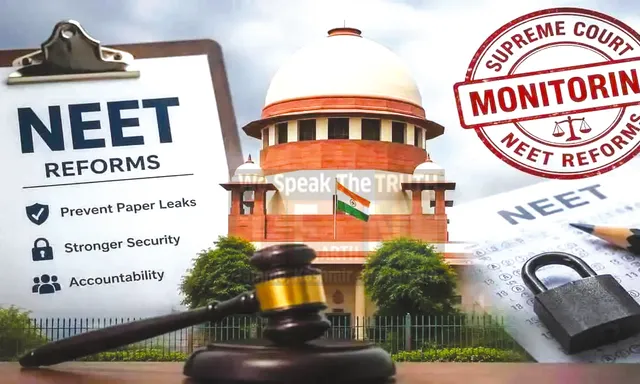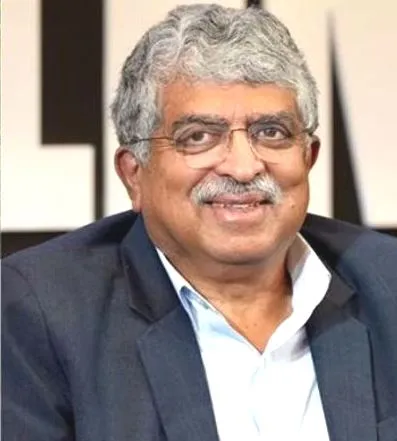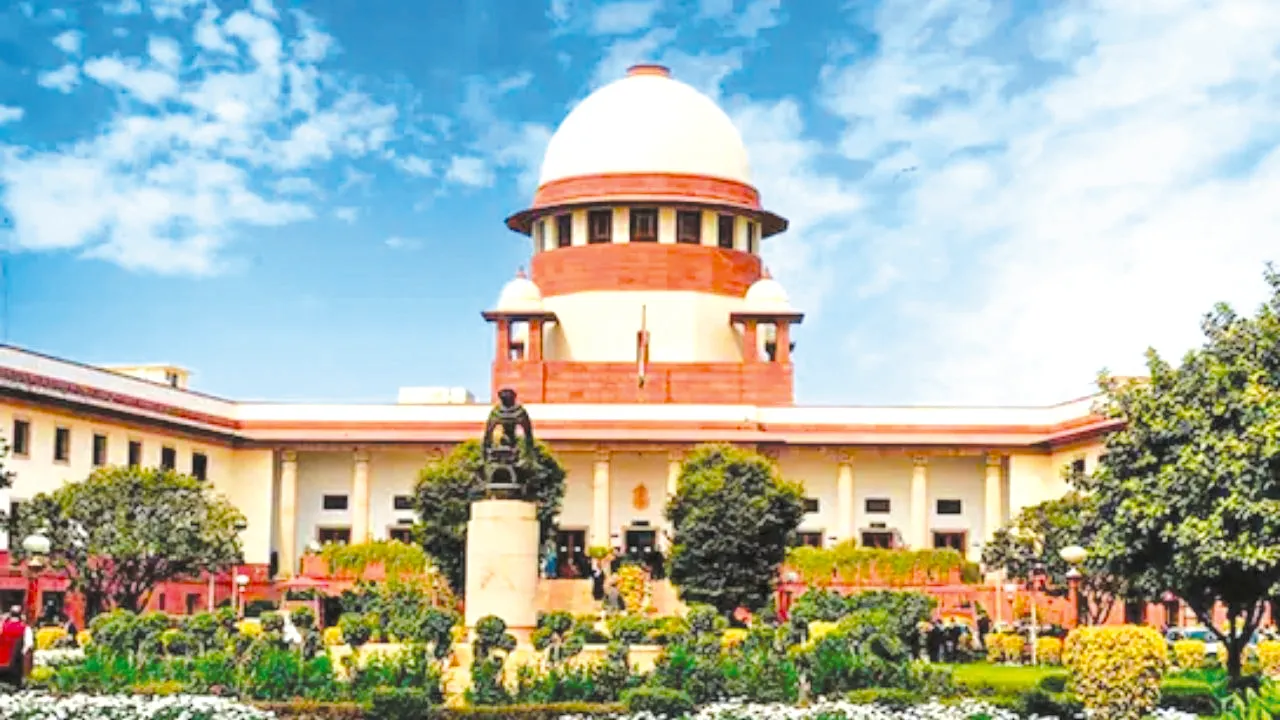
NEW DELHI: The Supreme Court on Friday asked the Nandan Nilekani-led High-Powered Committee to submit a progress report on structural reforms in the National Eligibility-cum-Entrance Test (NEET) and other examinations to strengthen and protect the integrity of competitive examinations in India.
A bench of Justice PS Narasimha and Justice Alok Aradhe directed Department of Personnel and Training (DoPT) Joint Secretary, who is assisting the Nilekani panel, to file an affidavit detailing the steps taken so far.
“We direct the Joint Secretary coordinating with the High-Powered Committee, Joint Secretary, DoPT, who is coordinating with the High-Powered Committee, to file an affidavit indicating the progress made by the committee. Let the affidavit be filed within two weeks from today,” the bench said, posting the matter for hearing after three weeks.
It also directed a dedicated email ID to be created so that suggestions could be send to the email. While hearing petitions seeking a direction to replace or restructure NTA with a robust and autonomous body for conducting the medical entrance examination, the bench said it might visit the National Testing Agency’s (NTA) permanent office at Minto Road here to assess its functioning and monitor the progress of reforms undertaken after the NEET-UG 2026 paper leak.
“We will come there one day. Me and my brother to see if the system is working or not, the manpower etc. See permanency of a place and at least half of the staff, not everybody should be on deputation there. There should be permanent staff,” Justice Narasimha said, reiterating the need to institutionalise the entire NEET examination process.
The Solicitor General Tushar Mehta said Education Department had created a new, upgraded system. “Permanency of the structure has been ensured. However, human resources are partially ensured at the moment,” Mehta said.
The order came after the Centre submitted that the Nilekani committee has held exhaustive consultations on structural reforms in NEET and other examinations and was likely to submit its first interim report by the end of this month.
All the suggestions were placed before the panel, which held consultations with the members of an earlier committee led by former ISRO Chairman K Radhakrishnan, Mehta told the bench.
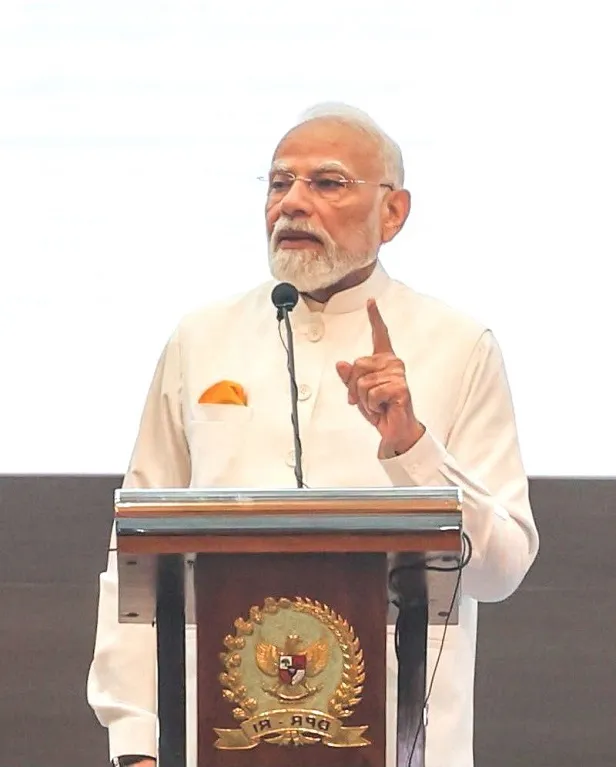
The Nandan Nilekani committee was constituted on July 26 by Prime Minister Narendra Modi to recommend structural, technology-driven and leak-proof improvements in India’s examination systems.
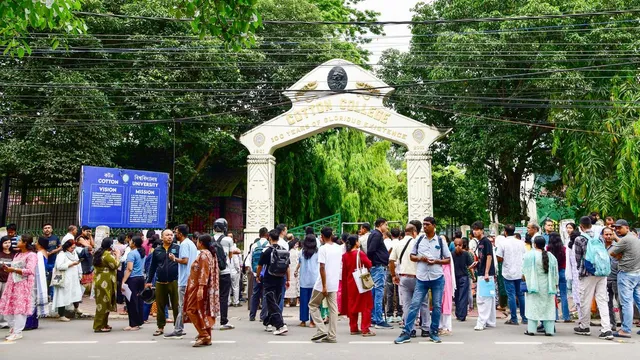
NTA — which conducts entrance examinations for admission to various higher educational institutions — has been under fire for quite some time for paper leaks and other examination-related irregularities.
Noting that NTA has not learnt any lessons from earlier NEET paper leaks, the Supreme Court had on May 25 issued notice to the Centre, NTA and CBI on petitions seeking dissolution of NTA over NEET-UG 2026 paper leak.
On August 19, the bench had directed the Centre to inform it about the steps taken to implement the recommendations of the Radhakrishnan panel and the Nilekani committee. Earlier, the Federation of All India Medical Association (FAIMA) – one of the petitioners – had questioned before the Supreme Court the adequacy of measures enumerated by NTA to curb examination paper leaks.
In its response to an affidavit filed by NTA, FAIMA had contended that the Public Examinations (Prevention of Unfair Means) Amendment Act, 2026 must specifically address an eventuality where persons including paper setters, paper vetters and other authorised personnel misuse that access by copying, sharing, transmitting or disclosing the material to an unauthorised person.
“Since such a person has been entrusted with extremely confidential material and has abused a position of trust, the law may treat such conduct as an aggravated offence carrying stricter punishment and penalties which are not included in The Public Examinations (Prevention of Unfair Means) Amendment Act, 2026,” FAIMA had told the top court last month.