LEH: Government agencies, child protection bodies and civil society organisations in Leh on Friday deliberated on ways to strengthen foster care and adoption mechanisms, with the focus on ensuring family-based care for children requiring protection and preventing unnecessary institutionalisation.
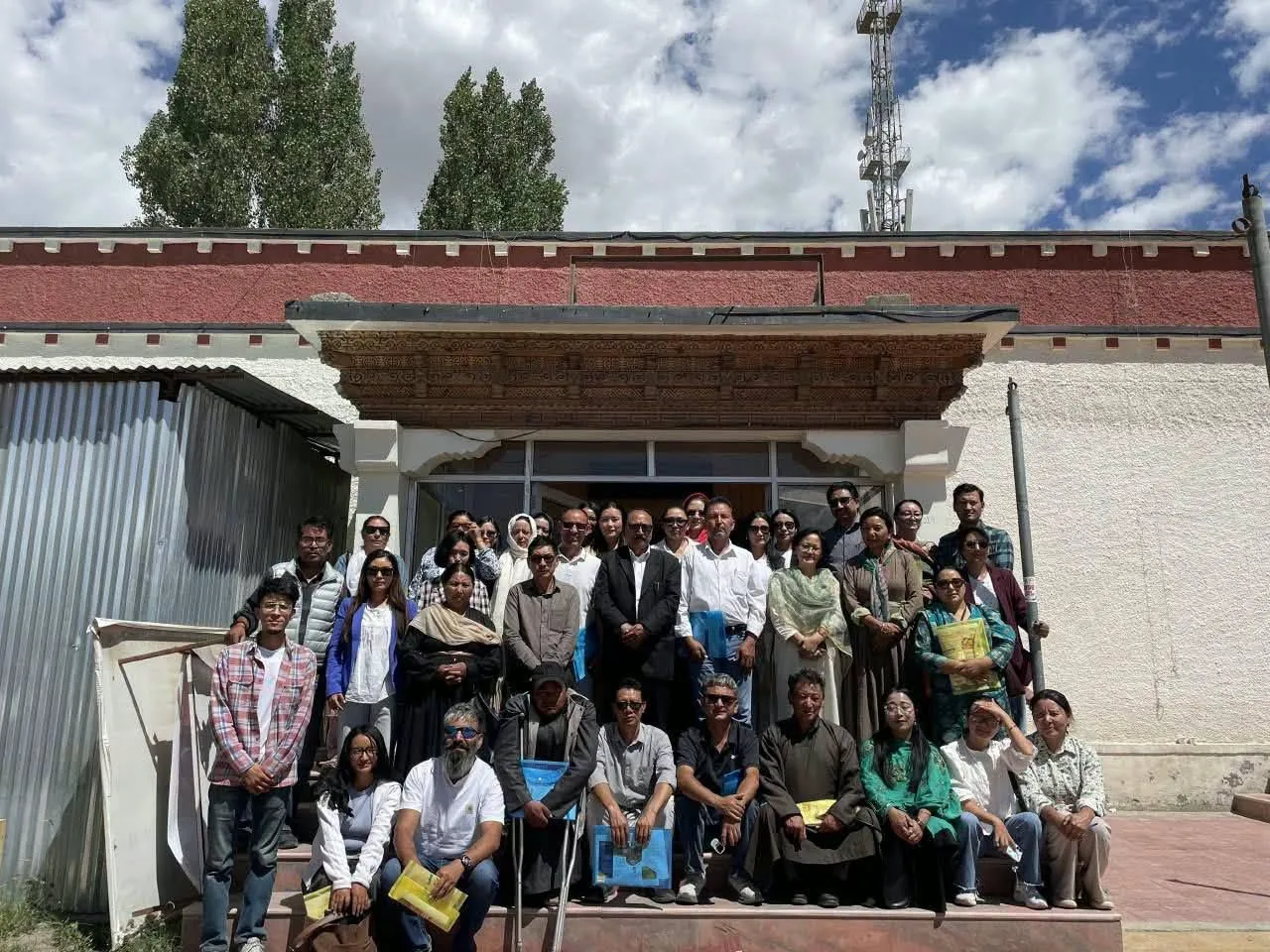
The Stakeholder Orientation and Consultation Programme, organised by the District Child Protection Unit (DCPU), Leh, in collaboration with the Child Welfare Committee (CWC), Leh, and the Department of Social & Tribal Welfare, Ladakh, brought together representatives of government departments, child care institutions, NGOs, community organisations and other stakeholders at the DC Conference Hall.
The consultation examined foster care and adoption within the framework of the Juvenile Justice (Care and Protection of Children) Act, 2015, the Adoption Regulations and the Central Adoption Resource Authority (CARA), with participants discussing identification of children requiring alternative care, timely referrals, community awareness and coordination among agencies.
Representatives from Health, Police, ICDS, Labour, Legal Services and DHEW attended the programme along with members of the CWC, Juvenile Justice Board (JJB) and Child Helpline (CHL). Representatives of Child Care Institutions, the Bar Association, NGOs, religious and community organisations, women and youth groups, civil society and traders’ associations also participated.
Among those represented were Anjuman Moin-ul-Islam, Anjuman Imamia, Women Alliance, Ladakh Buddhist Association, ALTOA, ALGHA and Merchant Association, besides NGOs including Pagir, Rewa Society, 17000ft Foundation, Munsel Society, CT Kids, Dhamma House Stok, Chamtse Mental Health and Social Services and Lasmon Society. Officials and staff of Rgaatsal, Rchestsal and Lions Club Home of Snow Lions also attended.
Opening the programme, CWC Member Tashi Dolma stressed collective responsibility in ensuring the safety, care and well-being of children requiring protection and support.
Protection Officer (Non-Institutional Care), DCPU Leh, Fariya Rafiq conducted a technical session on the legal and procedural framework governing foster care and adoption. The session covered eligibility and assessment of foster caregivers and prospective adoptive parents, identification of children requiring alternative care, statutory responsibilities, placement procedures, monitoring and safeguards, with emphasis on the best interests of the child.
The discussion underscored family-based care, restoration and rehabilitation, while treating institutional care as a measure of last resort.
An interactive consultation moderated by DCPU Leh Protection Officer (Institutional Care) Aamir Sohail and CWC Leh Member Tsering Angchuk focused on strengthening referral mechanisms, identifying children in need of family-based care, improving community awareness and ensuring inter-departmental coordination.
Participants also discussed measures to prevent unnecessary institutionalisation and strengthen monitoring and follow-up of children receiving alternative care.
CWC Leh Chairperson Mumtaz Hussain, while proposing the vote of thanks, appreciated the participation of stakeholders and called for continued coordinated efforts to strengthen family-based care and the child protection system in Ladakh.