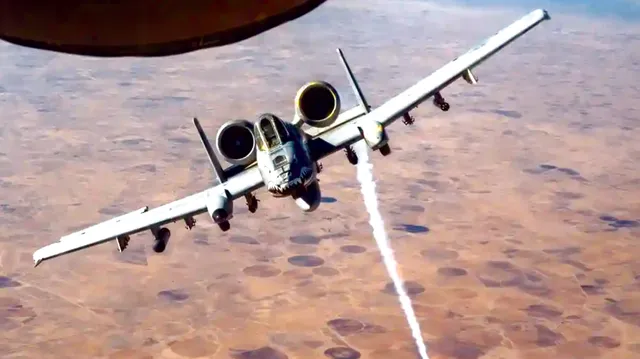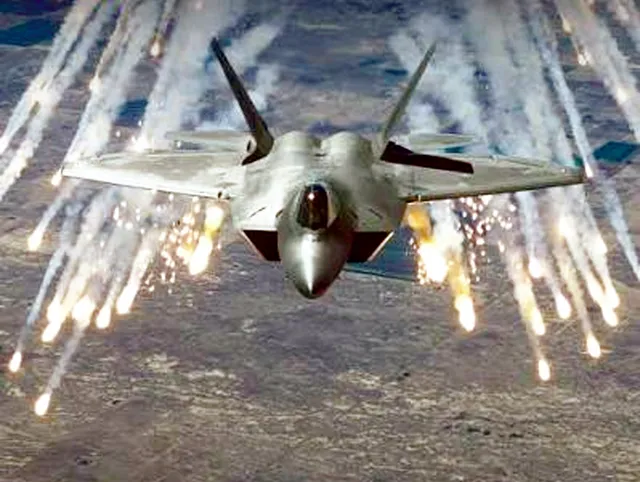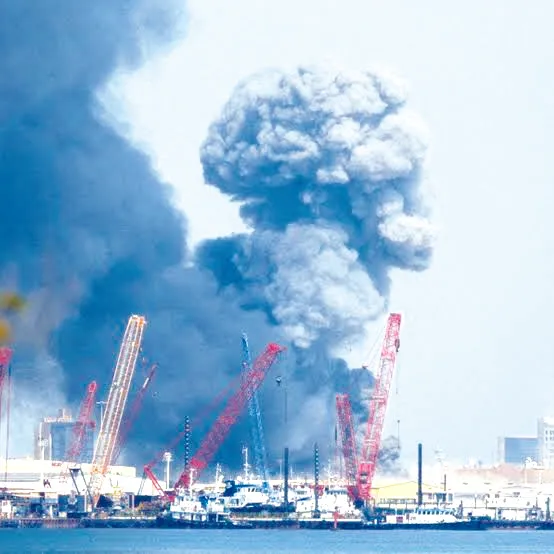
DUBAI: The United States widened its military campaign against Iran early Thursday, carrying out strikes on targets deeper inside the country, including areas around Tehran, while American forces also disabled a merchant vessel accused of attempting to breach a US-imposed naval blockade in the Persian Gulf, further intensifying a conflict that is threatening regional stability.
Iran responded with missile and drone attacks targeting countries hosting US military forces, including Bahrain, Jordan and Kuwait, while warning that any further escalation could trigger attacks on critical infrastructure across the region.
The latest exchange of attacks marks a sharp deterioration in hostilities, with both sides intensifying military operations despite diplomatic efforts aimed at reducing tensions. Iranian officials claimed that US strikes have killed more than 35 people and injured over 300 since the latest phase of the conflict began.
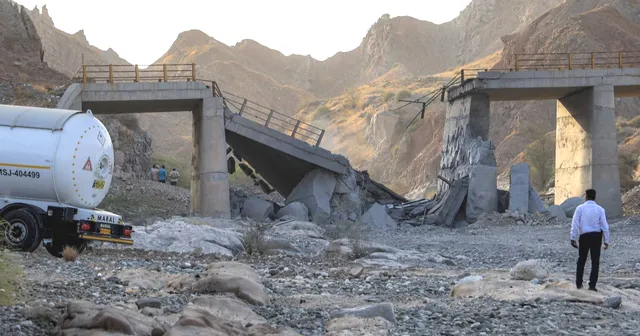
For the first time in the current round of fighting, US strikes reportedly reached areas surrounding Tehran, while Iranian media also reported attacks in Semnan, Hamedan, Hormozgan, Khuzestan, Lorestan, Markazi and Sistan and Baluchistan provinces.
The US military said one of its operations targeted Greater Tunb Island in the Strait of Hormuz, striking Iranian defence and missile facilities. Separately, American forces said they disabled the Curacao-flagged oil tanker Belma after alleging that it ignored repeated warnings while sailing towards Iran’s Kharg Island oil export terminal. According to the US military, a missile struck the vessel’s smokestack, rendering it inoperable.
Another reported US strike targeted facilities used by Iran’s 388th Mechanised Infantry Brigade in Sistan and Baluchistan province. Iranian state media said at least 13 missiles were fired, killing seven military personnel and injuring several others.
Iranian military spokesperson Col. Ebrahim Zolfaghari warned that any US attack on Iranian infrastructure would invite retaliation against strategic facilities across the region. He also reiterated that Tehran would not permit foreign interference in the Strait of Hormuz, describing the waterway as an Iranian “red line.”
The Strait of Hormuz remains at the centre of the confrontation after Iran effectively halted commercial shipping through the route following the outbreak of hostilities. The disruption has continued to push up global energy prices, with Brent crude trading above USD 85 per barrel, more than 15 per cent higher than pre-conflict levels.
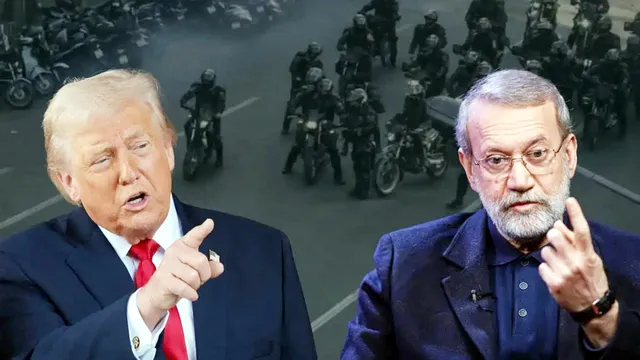
Despite the escalating military campaign, US President Donald Trump maintained that a negotiated settlement remained possible, saying Iran appeared interested in reaching an agreement, though he offered no details on potential diplomatic progress.
Pakistan said it continues efforts to facilitate dialogue between Washington and Tehran, while acknowledging that mediation has become increasingly difficult as military operations intensify.
Separately, Trump claimed Iran had released an American citizen detained since 2024 as a goodwill gesture. Iran has not officially confirmed the release.