LEH: In a major push to make traditional crafts a more viable livelihood for Ladakh’s youth, the UT Administration has substantially increased the daily stipend paid to trainees at Handloom and Handicrafts Training Centres from Rs 40 to Rs 150, marking a 275 per cent hike.
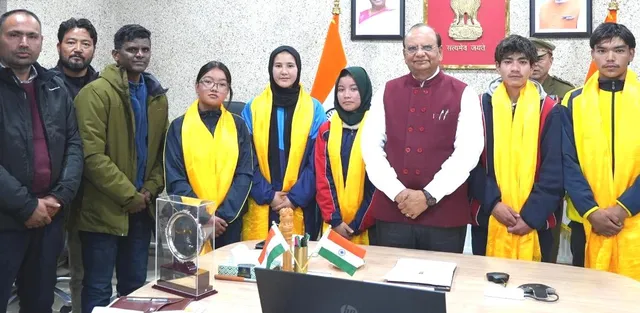
Lieutenant Governor Vinai Kumar Saxena announced the decision, saying it would directly benefit nearly 1,000 trainees across Leh and Kargil who are undergoing training in traditional crafts and skills.
The enhanced stipend is expected to provide greater financial support to young trainees while also encouraging more people to take up traditional handicrafts as a source of livelihood. The initiative covers training in skills including carpet making, Pabu shoemaking, wood carving, weaving, knitting and tailoring.
The decision follows the LG’s visit to a Handloom and Handicrafts Training Centre at Hanley on June 1, during which the issue of the low stipend being paid to trainee artisans was brought to his notice. Subsequently, at a review meeting held on June 15, Saxena directed the Industries Department to examine the feasibility of raising the stipend to Rs 150 per day.
The eventual approval of the enhanced stipend represents a significant increase in financial assistance for trainees, particularly those seeking to acquire skills rooted in Ladakh’s traditional craft heritage.
Saxena said the initiative was inspired by Prime Minister Narendra Modi’s call to empower local artisans, strengthen traditional crafts and promote the vision of a self-reliant India.
Beyond the immediate financial relief, the administration sees the move as an effort to revive and strengthen traditional craftsmanship while creating sustainable livelihood opportunities for Ladakh’s younger generation. By making training financially more accessible and attractive, the enhanced stipend could help address the declining interest often associated with traditional craft occupations.
The administration’s emphasis is also on transforming handloom and handicraft skills from traditional occupations into economically viable and potentially lucrative livelihood options, thereby linking Ladakh’s cultural heritage with employment and entrepreneurship opportunities. With nearly 1,000 trainees expected to benefit in Leh and Kargil, the stipend enhancement marks one of the more direct measures aimed at supporting the people learning and preserving Ladakh’s traditional craft skills.