Congress fields 12, BJP seven, JKNC six; JUIAK’s reported 10-seat ambition could alter post-poll arithmetic, setting the stage for intense negotiations over council formation.
YASH KHAJURIA
KARGIL: With Independents accounting for nearly three-fourths of the candidates in the fray, the electoral battle for the 21-member Ladakh Autonomous Hill Development Council (LAHDC), Kargil, is shaping up as a fragmented contest, raising the prospect of a fractured mandate and potentially intense post-poll negotiations over the formation of the next council.
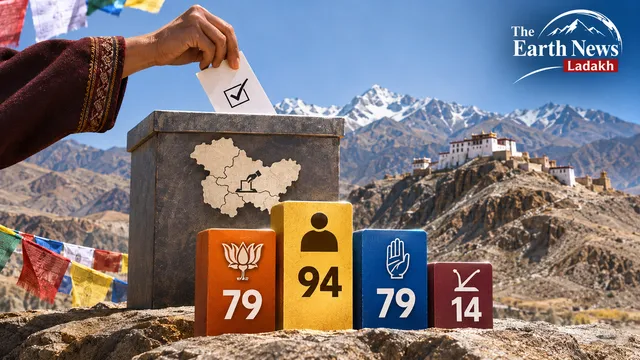
The nomination figures, released by the District Election Officer, Kargil, reveal the extent to which candidates outside the established party structures have come to dominate the electoral landscape. Of the 104 nominations received across 21 constituencies, as many as 79 are from Independents, dwarfing the combined strength of the Congress, BJP and Jammu and Kashmir National Conference (JKNC).
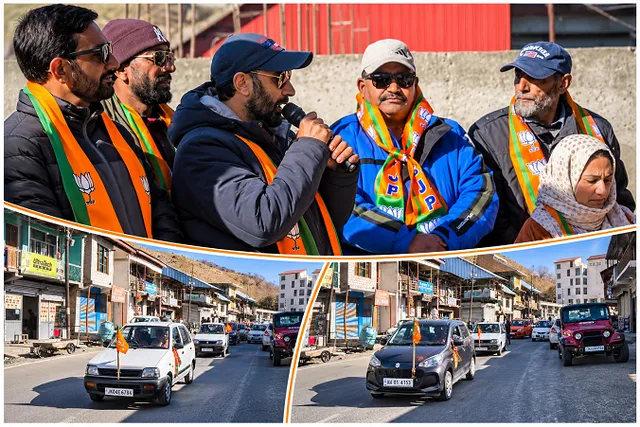
The Congress has 12 candidates in the fray, followed by the BJP with seven and the JKNC with six. The Aam Aadmi Party (AAP) has drawn a blank, with no candidate figuring in the official nomination tally.
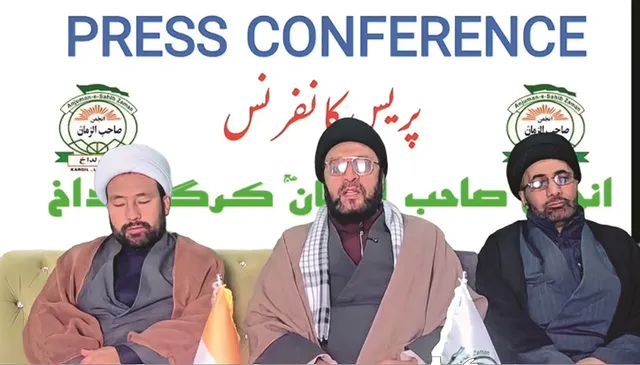
However, beyond the numerical dominance of Independents, the possible electoral intervention of Jamiatul Ulama Isna Ashariyah Kargil (JUIAK) has emerged as an additional variable in an already unpredictable contest. According to local political reports, the organisation is understood to be backing Independent candidates and is reportedly projecting the possibility of securing as many as 10 seats in the 21-member council.
Although the reported projection remains unverified and the official nomination statement does not identify candidates backed by JUIAK, the possibility of a sizeable bloc of organisation-supported Independents adds another dimension to the electoral arithmetic. Should such candidates perform strongly, they could emerge as an influential political formation in a council where no single party appears, at this stage, to command an overwhelming numerical advantage.
With 21 seats at stake, the possibility of a divided verdict could make the post-election phase as politically consequential as the campaign itself. A council fractured across party lines and Independents could leave the balance of power dependent on the ability of competing formations to negotiate support, forge understandings and assemble the numbers required to take control of the Hill Council. JUIAK-backed Independents, if they secure the projected numbers, could potentially occupy an influential position in those negotiations.
The constituency-wise data shows an uneven distribution of nominations. Hardass, Minjee and Apati Barchay have recorded the highest numbers, with nine candidates each. Choskore, Chanchik, Pashkum and Yourbaltak have seven nominations apiece, while Poyen has six. Karkitchoo and Gongma Kargil have recorded five each. Khangral, Shakar and Chiktan have reported no nominations in the statement.
Of the 104 candidates, 65 are men and 39 women. All 39 women candidates figure in the seven constituencies reserved for women — Hardass, Chuliskamboo, Lotchum, Yourbaltak, Gongma Kargil, Poyen and Baroo.
The final contours of the contest will emerge after scrutiny of nomination papers and the withdrawal process. Until then, the unusually high Independent tally and the reported JUIAK-backed electoral push have placed the prospect of a coalition-driven or negotiated council formation firmly in the political conversation in Kargil.