UoL, VC concludes four-day tour of Changthang
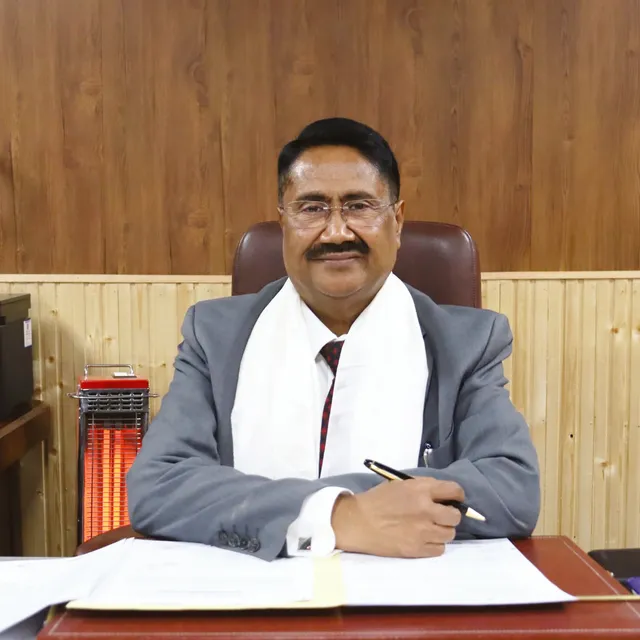
LEH: Vice Chancellor of the University of Ladakh, Prof. Saket Khushwaha, has called for a scientific and sustainable approach to sheep and goat rearing in Changthang, reaffirming the University’s commitment to strengthening the livelihoods of nomadic pastoral communities following a four-day tour of the region’s remote border villages.
The visit, conducted from July 9 to 12, was undertaken to review the progress of the All India Coordinated Research Project on Changthangi Goat (AICRP-CG), the Network Project on Changthangi Sheep Improvement (NWPSI) and the National Mission on Himalayan Studies (NMHS) Pasture Development Project.
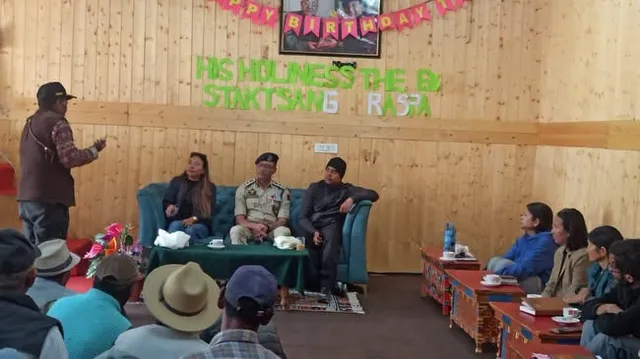
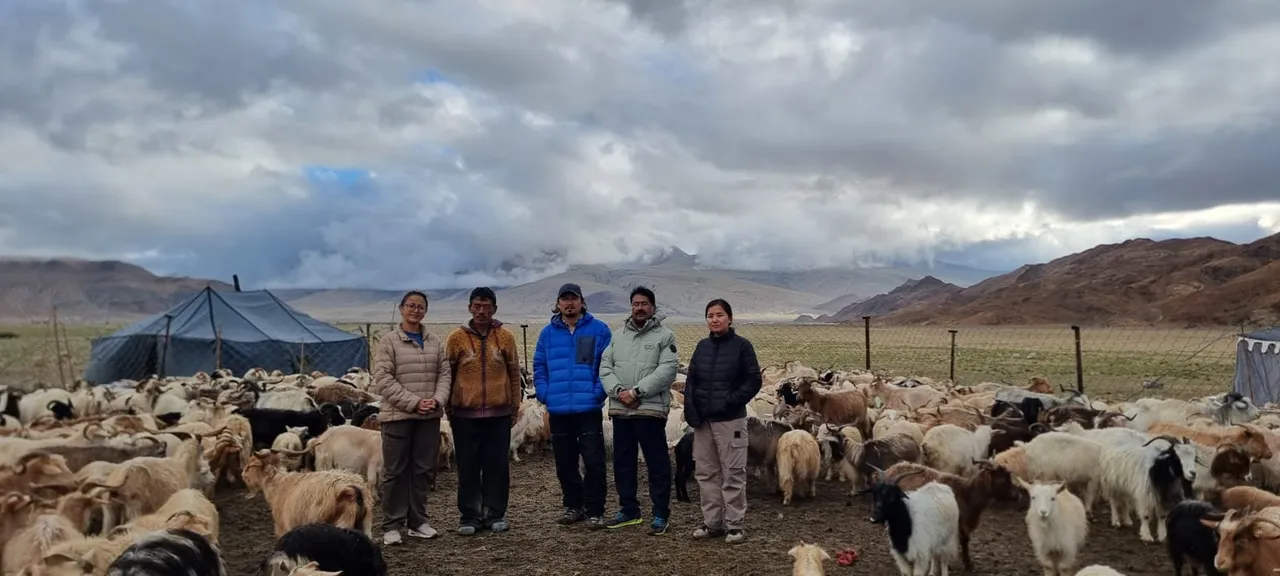
Accompanied by a research team led by Dr. Feroz Din Sheikh, Professor and Head of Krishi Vigyan Kendra (KVK), Leh, the Vice Chancellor visited Demchok, Koyul, Hanle, Chumur, Korzok Phu, Angkung, Samad and Kharnak. The delegation interacted with Changpa nomads, Pashmina and sheep herders, women self-help groups and project beneficiaries to assess field-level challenges and identify research-based interventions to improve livestock productivity in the high-altitude region.
The team also inspected major grazing areas, including Skakjung, Tegazung, Korzok Phu, Rockchen, Tsokar and Dibring, and identified Kharnak Zara, Samad and Korzok Phu as research sites under the newly sanctioned NMHS project on pasture development. A training programme on scientific management of sheep and goats in high-altitude pastures was also organised at Hanle.
During interactions, pastoral communities highlighted declining Changthangi sheep numbers, low returns from raw wool, inadequate wool processing facilities, shortage of skilled shepherds, migration of youth, delayed payments for livestock products and gaps in the implementation of welfare schemes. They also sought revival of the Changthang Package, establishment of fodder banks and solar-powered water facilities, support for community shepherds, stronger market linkages for wool and a fresh livestock census.
Sharing field observations, Dr. Feroz Din Sheikh stressed the need to conserve the indigenous Changthangi sheep breed, whose population has witnessed a steady decline. He recommended maintaining an optimum sheep-to-goat ratio to improve pasture utilisation, reduce disease transmission and minimise mortality among goats.
Referring to increased kid mortality reported in Chumur due to diarrhoea, Contagious Caprine Pleuropneumonia (CCPP) and ectoparasitic infestations, he advocated timely veterinary care, balanced nutrition and scientific flock management. He also advised herders to periodically market mature livestock to generate regular income and reinvest in animal healthcare and nutrition, while promoting wool processing and other value-added enterprises to enhance rural incomes. Veterinary health camps were conducted during the tour, providing treatment and advisory services to livestock owners.
Dr. Kunzang Lamo briefed the gathering on scientific pasture management, restoration of degraded rangelands and suitable fodder species, while also encouraging protected cultivation in areas where agriculture could complement livestock-based livelihoods.
Addressing the nomadic communities, Prof. Khushwaha praised the resilience of Changpa pastoralists for sustaining traditional livelihoods in one of the country’s most challenging terrains. He also welcomed the Union Territory Administration’s decision to establish a ₹2 crore revolving fund for the procurement of raw Pashmina, saying the initiative would help ensure timely payments to herders and strengthen the local Pashmina economy.
During the outreach programme, the University distributed butter churners, rechargeable torches, gumboots, tarpaulins, mineral mixtures and veterinary medicines to project beneficiaries. The Vice Chancellor also assured women self-help groups of continued support through skill development and technology transfer. Concluding the visit, Prof. Khushwaha reiterated that the University would continue to support sustainable livestock development through research, extension and field-based interventions. He assured the communities that the issues raised during the tour would be taken up with the concerned departments and placed before the Lieutenant Governor of Ladakh, while agricultural concerns in Nyoma would be addressed through the University’s Krishi Vigyan Kendra.