LEH: The University of Ladakh (UoL) and Biotechnology Research and Innovation Council–National Institute of Animal Biotechnology (BRIC-NIAB), Hyderabad, have agreed in principle to establish a National Centre for High-Altitude Animal Genomics in Ladakh, with the proposed facility expected to focus on genomic research involving Pashmina goats, double-humped camels, yaks, sheep and regional wildlife.
The decision was taken during a kick-off meeting held on Tuesday at the Conference Hall of the University of Ladakh’s Leh Campus to discuss the establishment, research scope and proposed action plan of the centre.
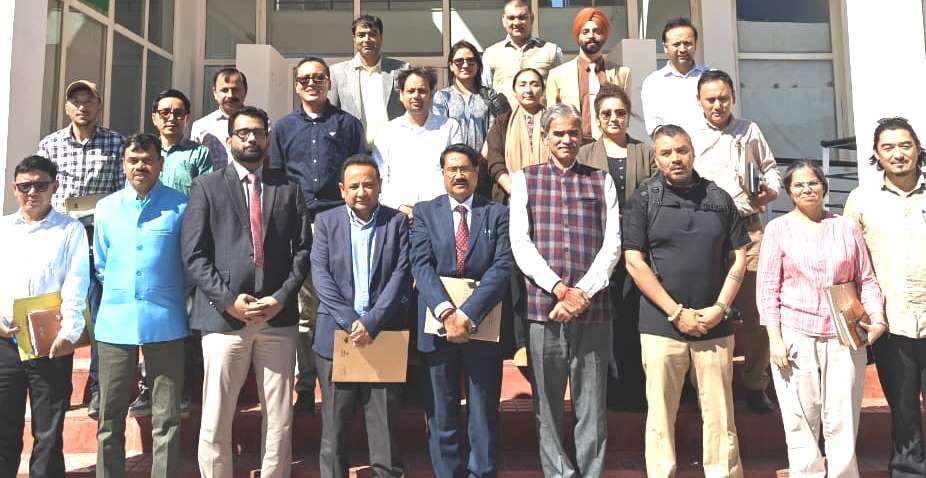
The meeting was conducted in hybrid mode and brought together senior officials, scientists and academics from the University of Ladakh, BRIC-NIAB and the Animal Husbandry, Sheep Husbandry and Fisheries departments.
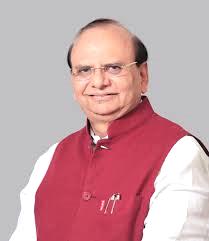
University of Ladakh Vice-Chancellor Prof. (Dr.) Saket Kushwaha chaired the meeting. Among those present were Administrative Secretary, Animal Husbandry, Sheep Husbandry and Fisheries, Rudra Goud P.T., IAS; BRIC-NIAB Director Dr Ravi Kumar Gandham; Dr OP Chourasia, Director DIHAR Leh; Director Sheep Husbandry Dr Iftikhar Hussain; Director Animal Husbandry and Fisheries Dr Mohd Ismail; BRIC-NIAB Scientist-E Dr Shailesh Sharma; and senior university officials, including the Registrar, scientists, professors and deans.
The proposed centre will provide a platform for research into the genetic resources of animals adapted to the high-altitude environment, with discussions covering Pashmina goats, double-humped camels, yaks, sheep and regional wildlife.
Dr Feroz Din Sheikh, Professor and Head of KVK Leh, delivered a technical presentation on Pashmina, highlighting the research potential associated with the region’s distinctive livestock resource.
Dr Shailesh Sharma of BRIC-NIAB presented an overview and action plan for the proposed centre, while Dr Ravi Kumar Gandham briefed participants on BRIC-NIAB’s research facilities and achievements.
The discussions focused on developing collaborative research in high-altitude environments and identifying areas where the expertise and infrastructure of the participating institutions could be brought together.
Administrative Secretary Rudra Goud P.T. stressed the need for community involvement and stakeholder engagement in the proposed initiative, particularly to ensure that the research remains connected with local needs and livestock-dependent communities.
Prof Kushwaha, while formally convening the meeting, emphasised the relevance of the proposed centre to Ladakh and the value of institutional collaboration in advancing research in high-altitude regions.
The meeting also examined the potential for research into animal genetics, conservation and scientific utilisation of livestock and wildlife resources found in the Himalayan region.
Following detailed deliberations, all participating dignitaries agreed in principle to establish the National Centre for High-Altitude Animal Genomics through collaboration between UoL and BRIC-NIAB.
The proposed centre, once established, could provide a dedicated institutional framework for studying the genetic characteristics and conservation of high-altitude animal resources while supporting research relevant to livestock and biodiversity in Ladakh. The initiative also opens scope for closer collaboration between the University of Ladakh, BRIC-NIAB and the concerned government departments in developing research programmes focused on the region’s distinctive animal genetic resources.