11 prominent religious, political and social figures warn exclusion could deepen divisions; say both leaders vital for continuity, inclusivity and implementation of any final agreement
YASH KHAJURIA
Leh: In a significant intervention on the eve of the next round of Centre-Ladakh dialogue, a group of prominent Buddhist religious, political and social figures have written to Union Home Minister Amit Shah seeking the inclusion of former Ladakh MP Thupstan Chhewang and former Leh Hill Council chief Tashi Gyalson in the September 9 talks, warning that their exclusion could deepen divisions within the Buddhist community and undermine the legitimacy of any eventual agreement.
The signatories included Thiksey Rinpoche Nawang Chamba Stanzin — former MP (Rajya Sabha) / former President, Ladakh Gonpa Association; Jigmet Mipham Shedup Stenzin (Thuksey Rinpoche); Tsering Samphel — former MLA, Leh and former President, Ladakh Buddhist Association; Rigzin Spalbar — former CEC/Chairman, LAHDC Leh; former General Secretary, LBA; Ven. Rigzin Dorjey — Motimam Phyang Gonpa; Tsewang Stobdan — President, Goba Association, District Sham; Tsering Norbu — President, LBA Sham; Tsering Samphel — President, LBA Kargil; Rigzin Tamchos — President, LBA Leh branch; Ven. Ladon Konchok Tsephel — Lamayuru Gonpa; and Dorjay Namgyal — President, LBA Youth, Kargil.
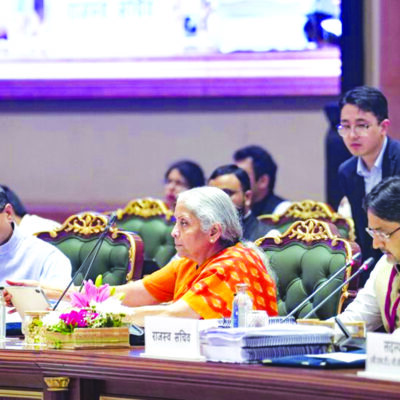
The appeal addressed directly to the Union Home Minister, comes just two days before the Ministry of Home Affairs is scheduled to hold its next Sub-Committee meeting on Ladakh issues in New Delhi.
The signatories welcomed what they described as the “historic consensus” reached between the Government of India and the Leh Apex Body (LAB) and Kargil Democratic Alliance (KDA) at Leh, as well as the fixing of September 9 for taking forward the process of finalising the draft. However, they said “confusion” over the participation of Chhewang and Gyalson has caused serious concern among Buddhists on the eve of the talks.
“This is perceived as an attempt to divide Buddhists and weaken Buddhist interests at a crucial juncture,” the letter states. The intervention is particularly significant because it comes from a cross-section of influential figures associated with Ladakh’s Buddhist religious and political institutions, including former elected representatives and senior monastic leaders.
The signatories have appealed to Shah to personally intervene and ensure the participation of both leaders in the September 9 meeting, saying this would help “restore full confidence” among the Buddhist community. They have also made it clear that their intervention is not against the ongoing consensus process, but rather aimed at ensuring that the dialogue remains inclusive.
“We fully support the consensus arrived at Leh and request you not to allow any confusion to stall the process,” the letter says. The signatories described Thupstan Chhewang as a two-time former MP, senior-most political leader and founding chairman of the Leh Apex Body.
They argue that Chhewang’s participation is particularly important because he has been involved in all rounds of the High Powered Committee-related discussions and possesses institutional knowledge of the negotiations and safeguards being sought for Ladakh. His presence, they contend, would ensure continuity and help ensure that the broader interests of Ladakh, particularly those of the Buddhist community, are not compromised.
The letter’s reference to Chhewang’s institutional experience assumes added significance given that the forthcoming meeting is expected to take stock of previous rounds of discussions and move towards a concrete draft.
The signatories have made a separate case for Tashi Gyalson’s inclusion, pointing to his former position as CEC of LAHDC Leh and his senior role in the BJP. They argue that while Haji Asgar Ali Karbalai of Congress and Sajjad Kargili of the National Conference are part of the Kargil-side representation, there would otherwise be no corresponding BJP representation from Leh/Ladakh.
According to the letter, this creates an “imbalance” and a perception of partisanship. The argument effectively places the question of political representation alongside regional and religious representation in the September 9 dialogue.
Recent reports on the proposed meeting have, in fact, identified both Chhewang and Gyalson among the leaders expected to be associated with the September 9 discussions.
One of the strongest arguments advanced by the Buddhist leaders is that any final agreement emerging from the Centre-Ladakh dialogue must command broad ownership among stakeholders. They say both Chhewang and Gyalson enjoy wide respect in the Buddhist heartland and their exclusion could deepen divisions within the community.
“Their exclusion will deepen division among Buddhists and the legitimacy of any final agreement may be questioned,” the letter stated. Conversely, their participation, the signatories argue, would help ensure that the final agreement is “owned by all stakeholders”.
The letter also invoked institutional memory, stating that both leaders have knowledge of discussions and proposed safeguards dating back to 2020 and could therefore contribute to the correct interpretation and eventual implementation of any agreement on the ground. The intervention comes at a particularly crucial moment in the Ladakh dialogue.
The MHA has scheduled the September 9 Sub-Committee meeting in New Delhi after earlier meetings in Leh on July 3 and August 19. Representatives of the MHA, Ladakh Administration, LAB and KDA have participated in the earlier rounds.
The talks are taking place against the backdrop of continuing demands for stronger democratic and constitutional safeguards for Ladakh. The LAB and KDA have also been pressing for the next meeting of the High Powered Committee (HPC) headed by Union Minister of State for Home Nityanand Rai, rather than prolonged discussions at the Sub-Committee level.